

The Dutch angle shot—also known as a Dutch tilt, canted angle, or oblique shot—is a powerful visual storytelling technique that tilts the camera to create a slanted horizon. This off-balance framing disrupts visual symmetry, evoking tension, unease, or emotional complexity.
In this guide, you’ll learn what makes a Dutch angle so effective—plus how to create your own using Wondershare UniConverter’s intuitive Batch Image Editor.
In this article
Part 1. What is a Dutch Angle Shot?
Definition and Origin of the Canted Angle Technique
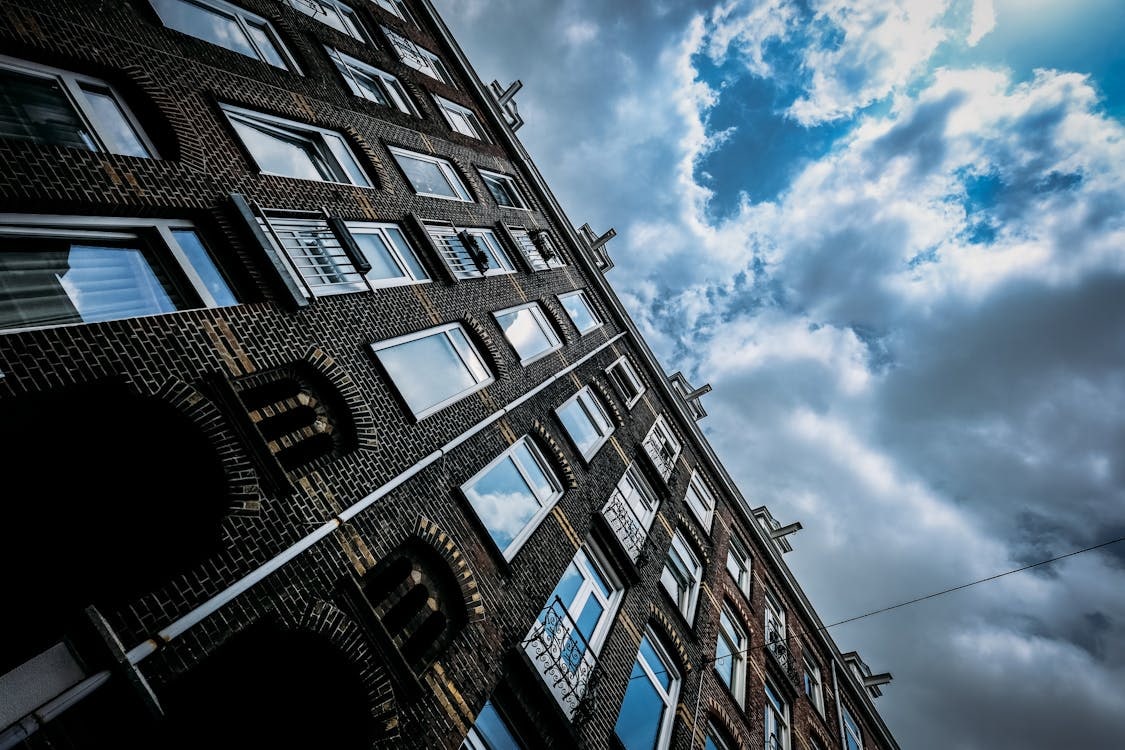
This off-kilter composition is commonly used in film, photography, and even video games to convey tension, confusion, imbalance, or psychological unrest. A subtle tilt might suggest unease or suspicion, while a more extreme tilt can evoke chaos, mental breakdown, or a dreamlike state. Whatever the context, the Dutch angle is always a purposeful disruption—never random.
Where Did the Dutch Tilt Come From?
Contrary to popular belief, the Dutch tilt has nothing to do with Dutch filmmakers. The term is widely believed to be a misinterpretation of “Deutsch” (German), referencing the technique’s origins in early German cinema. Specifically, the German Expressionist movement of the 1920s pioneered this technique to reflect themes of madness, alienation, and fractured reality.
What Does a Dutch Angle Convey?
The strength of the Dutch angle shot lies in its ability to make the audience feel off-balance—mirroring what the characters are experiencing. It's a technique that bypasses dialogue or exposition and speaks directly through visual tension.
You might encounter a Dutch angle in film during a suspenseful interrogation, a psychological breakdown, or the unravelling of reality itself. In Dutch angle photography, the same principle applies: tilt the frame to suggest motion, rebellion, or emotional instability in a still image.
This type of photography isn’t just a visual twist—it’s a storytelling device.
Why It Still Matters
Today, directors like Alfred Hitchcock, Tim Burton, Christopher Nolan, and even Marvel filmmakers frequently return to the canted angle shot when traditional framing isn’t enough. In the hands of a skilled storyteller, a slight tilt can be more expressive than an entire script page.
Therefore, the next time you witness a scene where the world appears to be inverted, understand that it's not an error. It’s a Dutch angle, and it’s doing exactly what it was designed to do: make you feel something different.
Part 2. Dutch Tilt Effect and Examples in Film and Photography
How Tilted Frames Create Visual Tension, Emotion, and Power
The Effects of a Dutch Angle Shot
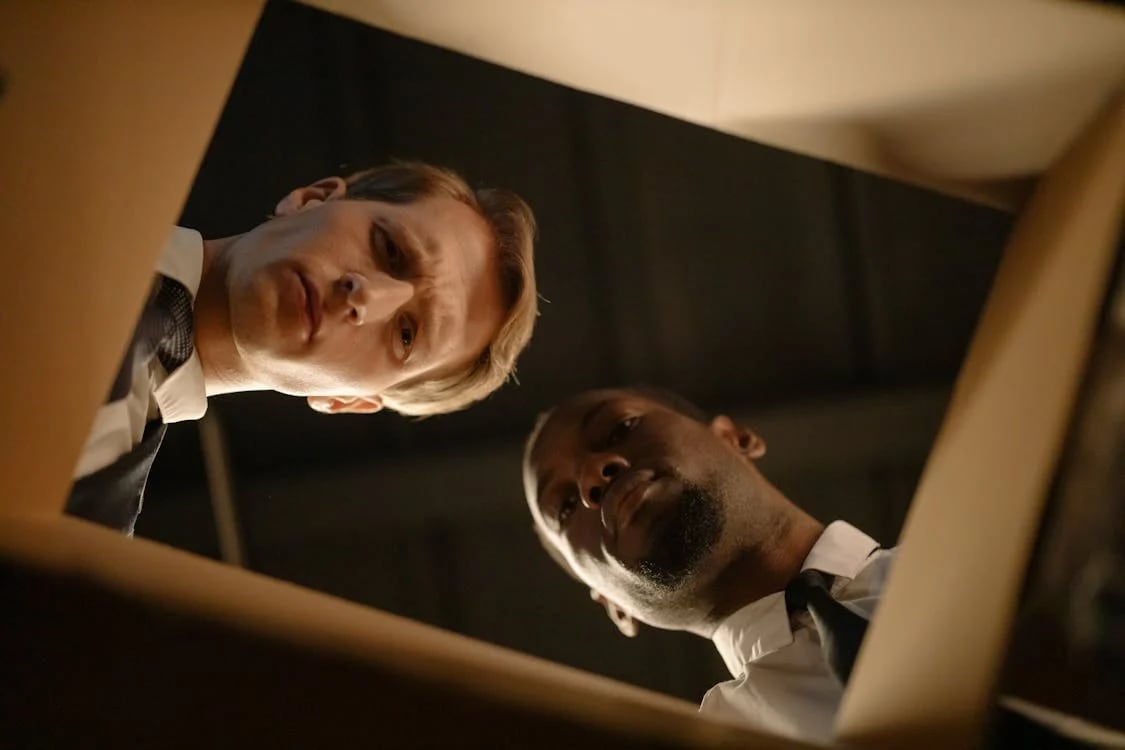
A properly executed Dutch angle shot disrupts symmetry and balance, producing a substantial emotional or psychological impact. Here are key effects it can deliver:
Visual Metaphor for Distorted Reality
The slanted horizon line mimics mental imbalance or chaos. It’s a perfect tool when characters are emotionally overwhelmed, mentally unstable, or lost in a surreal situation.
Contrast and Emphasis
The tilt breaks the viewer's visual expectations, immediately drawing attention to a specific moment or conflict.
Dynamic Motion and Tension
Even in static scenes, a Dutch tilt injects movement and energy—keeping the frame alive and unpredictable.
Intensity Scales with Tilt Degree
A slight 10° tilt may suggest unease or subtle tension. A full 30°–45° angle cranks up the drama, exaggerating instability and disarray.
Psychological Symbolism
Often, Dutch angles in film are used to reflect inner turmoil—characters trapped, confused, or losing control.
Dutch Angle Shot Examples in Film
Film history is filled with iconic uses of the Dutch angle shot—moments where a simple tilt transformed storytelling into something more visceral, symbolic, or surreal. From post-war noir to modern blockbusters, the Dutch tilt, also known as the canted angle or oblique shot, has become a cinematic signature for expressing psychological instability, tension, and emotional unrest.
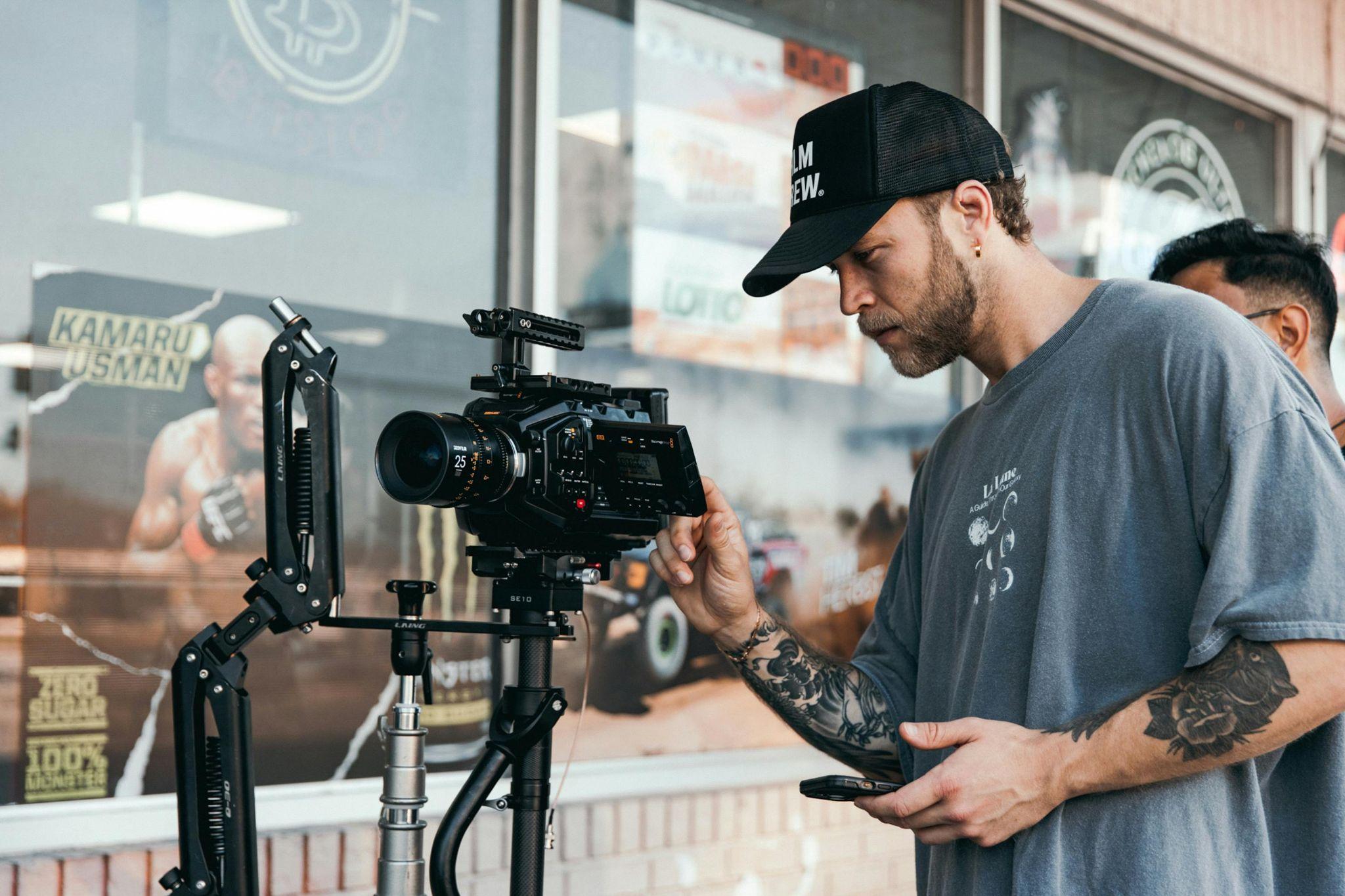
Here are some film history examples that are rich with iconic Dutch-angle shots that transformed storytelling:
The Third Man (1949) Director Carol Reed makes extensive use of canted angle shots throughout this noir classic to mirror the fractured morality and social unrest of post-war Vienna. The technique visually amplifies the story’s ambiguity and psychological tension.
📽️ Watch the Scene: Orson Welles appears in The Third Man HD
Thor (2011) Director Kenneth Branagh employs frequent Dutch angles to emphasize Asgard’s otherworldly atmosphere and mythic grandeur. The tilted frames reflect a world governed by divine power, cultural hierarchy, and distorted reality—reinforcing the disconnect between gods and mortals.
📽️ Watch the Breakdown: Why movies tilt the camera like this
Inception (2010) As dreams fold into dreams, director Christopher Nolan skillfully shifts to canted angle shots to represent unraveling reality. Each tilt signals emotional disorientation and blurred perception, drawing viewers deeper into the instability of the dream world.
📽️ Breakdown: Dutch Angle Shot, Canted Angle Shot, Oblique Angle Shot - Inception (2010)
Do the Right Thing (1989) Director Spike Lee uses Dutch angles to intensify rising racial tension and psychological pressure in a Brooklyn neighborhood simmering in the heat. The slanted frames visually capture chaos, conflict, and emotional volatility, culminating in one of cinema’s most explosive climaxes.
📽️ Watch the Sequence: Do the Right Thing (1989) - Radio Raheem's Death
These moments serve not only as artistic choices but also as visual punctuation marks that express emotion and shift narratives where words fail.
Dutch Tilt in Photography

🔺 High-Angle Dutch Tilt

🔻 Low-Angle Dutch Tilt
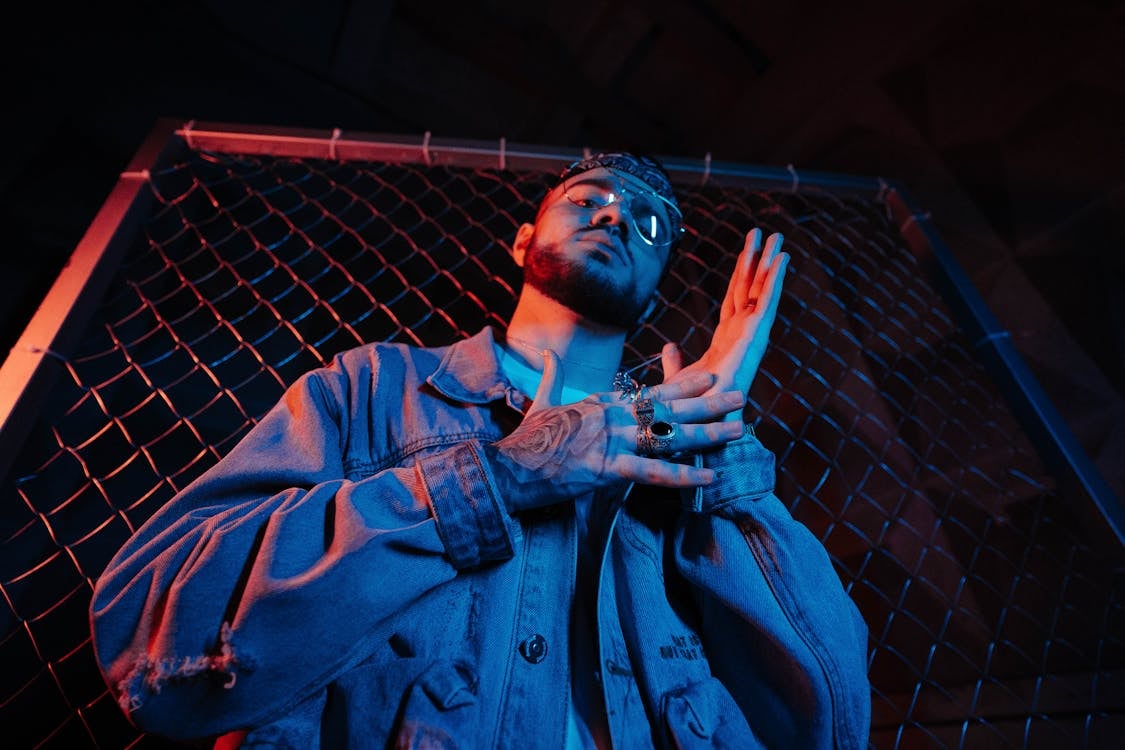
In both film and photography, the Dutch angle challenges visual norms. It draws the eye, stirs emotion, and brings the viewer one step closer to the character’s inner world.

Easy to Use Batch Photo Resizer & Editor
Part 3. Tips to Make a Better Dutch Tilt Effect
Mastering the Canted Angle for Film and Photography

Here’s how to elevate your Dutch angle photography or cinematic scenes using practical, creative techniques.
1. Use a Wide-Angle Lens and Get Close
A wide-angle lens exaggerates the visual distortion caused by a canted angle. When you move closer to your subject, lines and angles become more dramatic—especially effective for emphasizing emotion or dynamism in the frame.
In photography, this technique is potent in urban exploration or portraiture, where buildings, limbs, or facial expressions stretch across diagonals for maximum visual energy.
2. Add Camera Movement: Pan, Track, or Dolly
Tilting the camera is only the beginning. You can compound the unease or tension by adding movement—like panning across a tilted frame or tracking alongside a character.
A tracking shot with a Dutch tilt can simulate vertigo, panic, or mental breakdown.
A dolly zoom combined with a Dutch angle pushes the surreal factor even further.
These dynamic elements allow the Dutch angle shot to feel immersive rather than static—pulling the viewer deeper into the psychological world.
3. Use Sparingly and With Purpose
What is the biggest mistake creators make? The biggest mistake creators make is overusing Dutch angles. Because Dutch angles are inherently disorienting, excessive use can feel distracting or disjointed—unless you're deliberately trying to unnerve the viewer (e.g., The Third Man).
Instead, treat the oblique shot like an exclamation mark: save it for key moments when emotion, narrative shift, or visual emphasis is required.
4. Experiment With Framing and Composition
The power of a Dutch angle comes not just from the tilt but from how you compose within that tilted frame.
Align foreground objects diagonally to guide the eye.
Use leading lines (roads, railings, shadows) that intersect with the tilt.
Emphasize imbalance by placing your subject off-center or letting negative space dominate one corner.
The result? A richer, more immersive Dutch angle photography or film scene that naturally draws attention.
Mastering the Dutch tilt is about creative control. The best filmmakers and photographers don’t just tilt—they tilt with purpose. So lean in, skew your world, and invite your audience into the frame—off-balance and all.
Part 4. Steps to Make Your Dutch Tilt Portrait
Tilt Your Vision. Shape the Future. Try It First with UniConverter.
A simple shift in perspective can unlock an entirely new narrative. That’s the power of the Dutch tilt—a subtle rotation that can suggest tension, imbalance, emotion, or surreal beauty. While it’s a staple in cinematography, this visual technique is gaining momentum in portrait photography, and now, creators are looking for more innovative tools to support it.
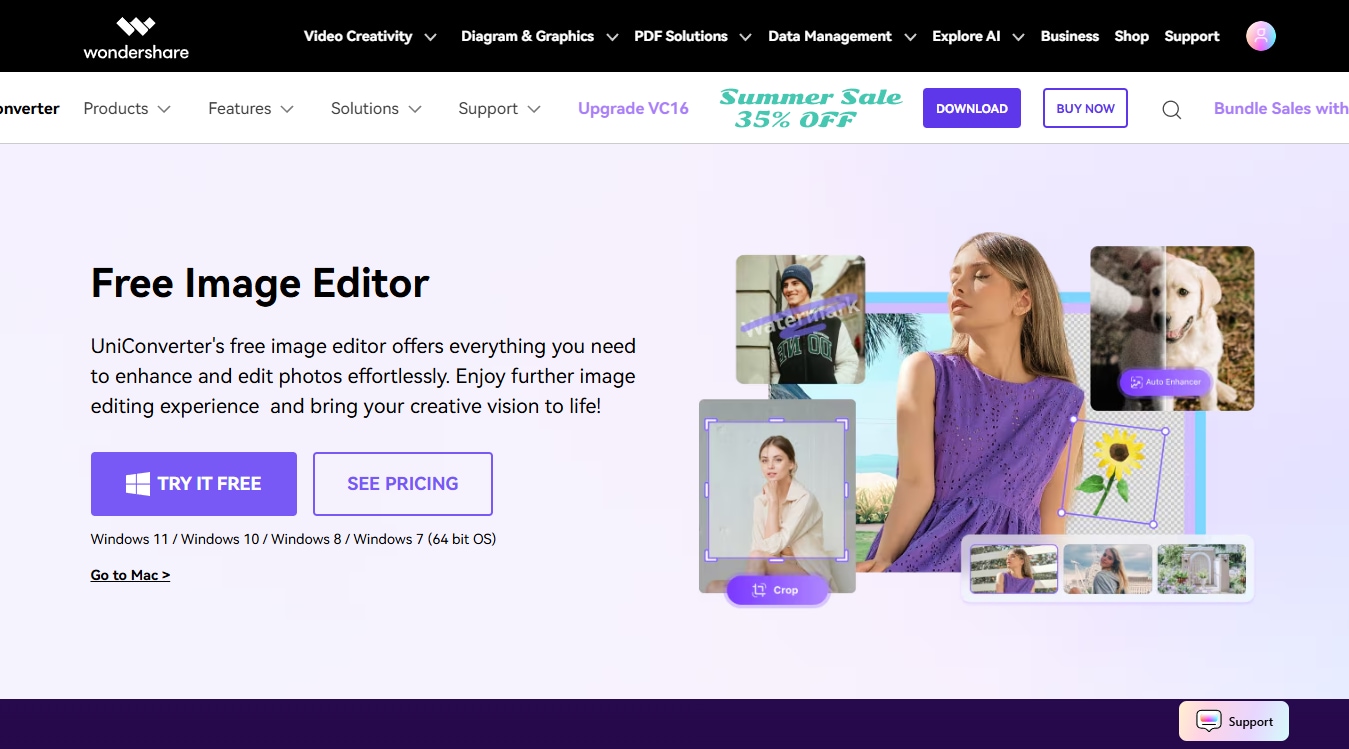
Why Try a Dutch Tilt Portrait?
The Dutch angle, also called the canted angle or oblique shot, disrupts visual balance to create emotional energy. In still portraiture, it does something magical:
Transforms a static photo into a cinematic statement
Adds edge, emotion, and narrative depth
Captures psychological nuance—without saying a word
Used sparingly, a Dutch tilt makes your subject feel powerful, vulnerable, mysterious, or offbeat—depending on the angle and context.
How to Try It Using UniConverter (Creative Hack)
Try UniConverter’s Image Editor—and Help Shape the Future of Creative Photo Tools
Cinematic techniques like the Dutch tilt are no longer reserved for film alone. When used in photography, this angled perspective—also called a canted angle or oblique shot—can completely transform a portrait by adding emotional weight, surreal tension, or visual storytelling.
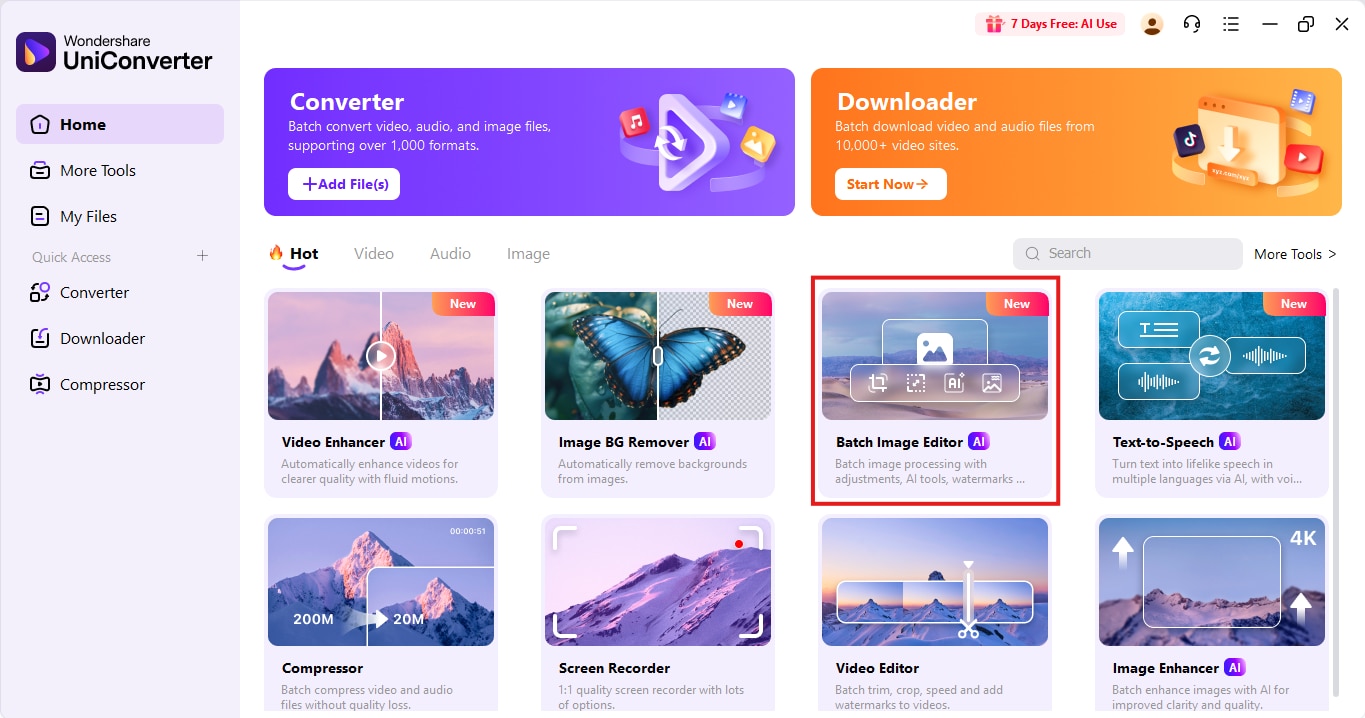
While Wondershare UniConverter is best known for its video features, it now includes a simple, intuitive photo editor within its Toolbox. You can already experiment with angle and rotation effects—and your usage can help pilot demand for even more advanced photography tools in future updates.
Step-by-Step: Dutch Tilt Portraits Using UniConverter Editor
Here’s how to create a Dutch tilt portrait today using UniConverter’s built-in Photo Editor feature:
Step 1: Open UniConverter and Launch the Image Editor
Step 2: Import Your Portrait
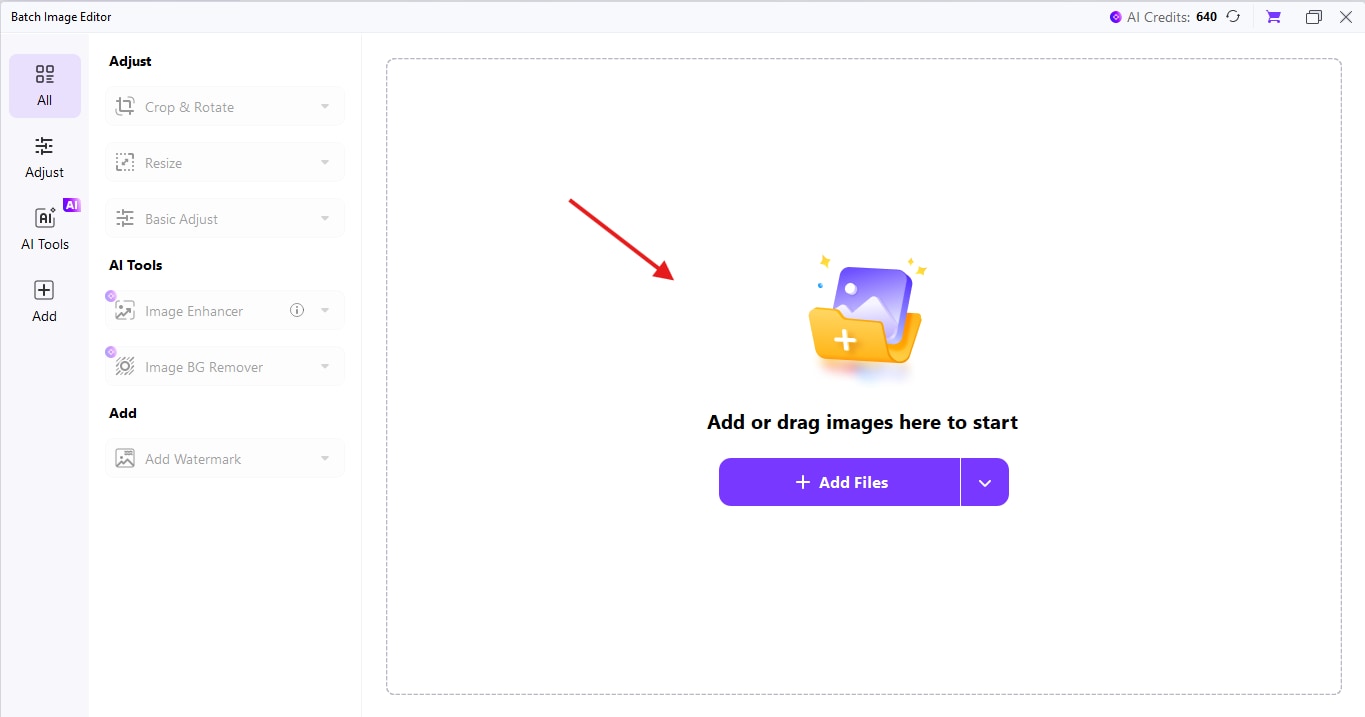
Step 3: Resize the Photo Using the Image Editor
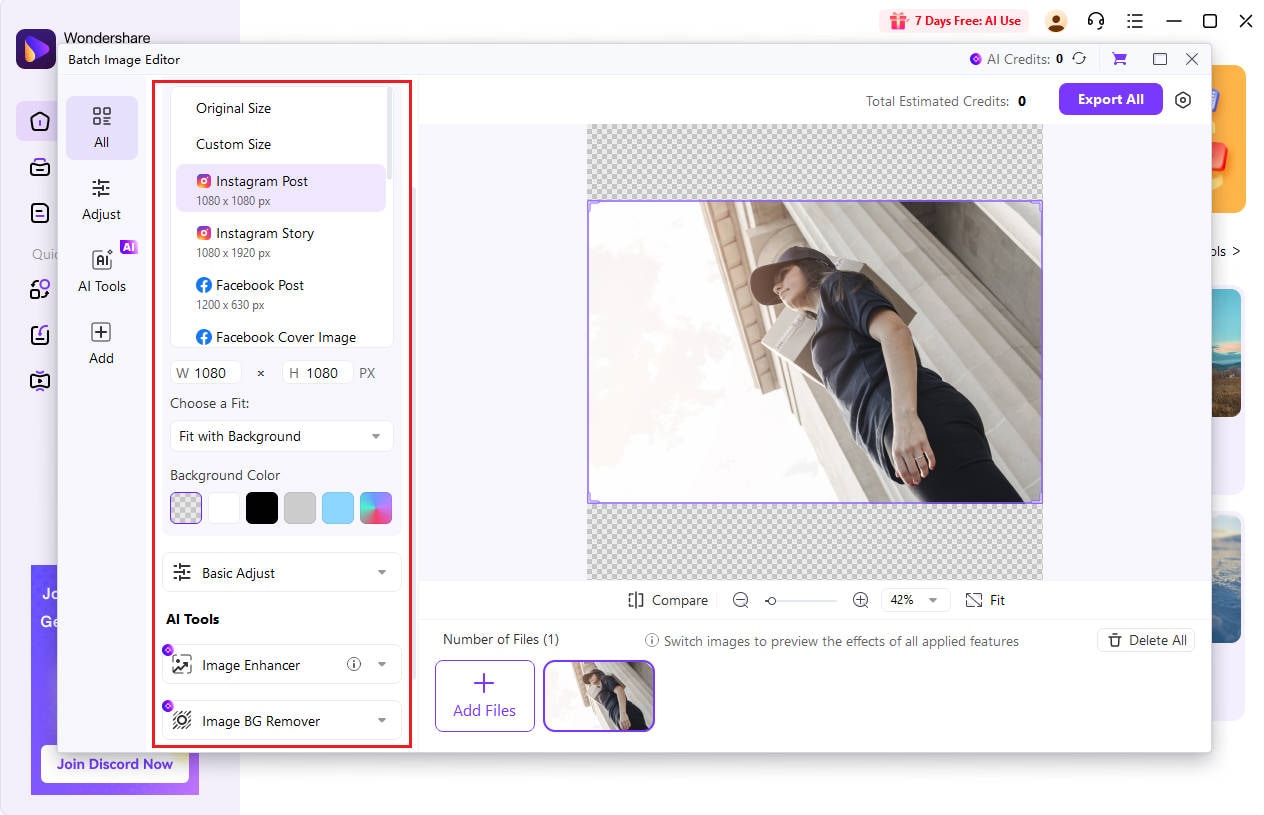
Pro Tip: A clockwise tilt can suggest action or dominance; anticlockwise can feel unsettling or introspective. Try both and observe the difference in tone.
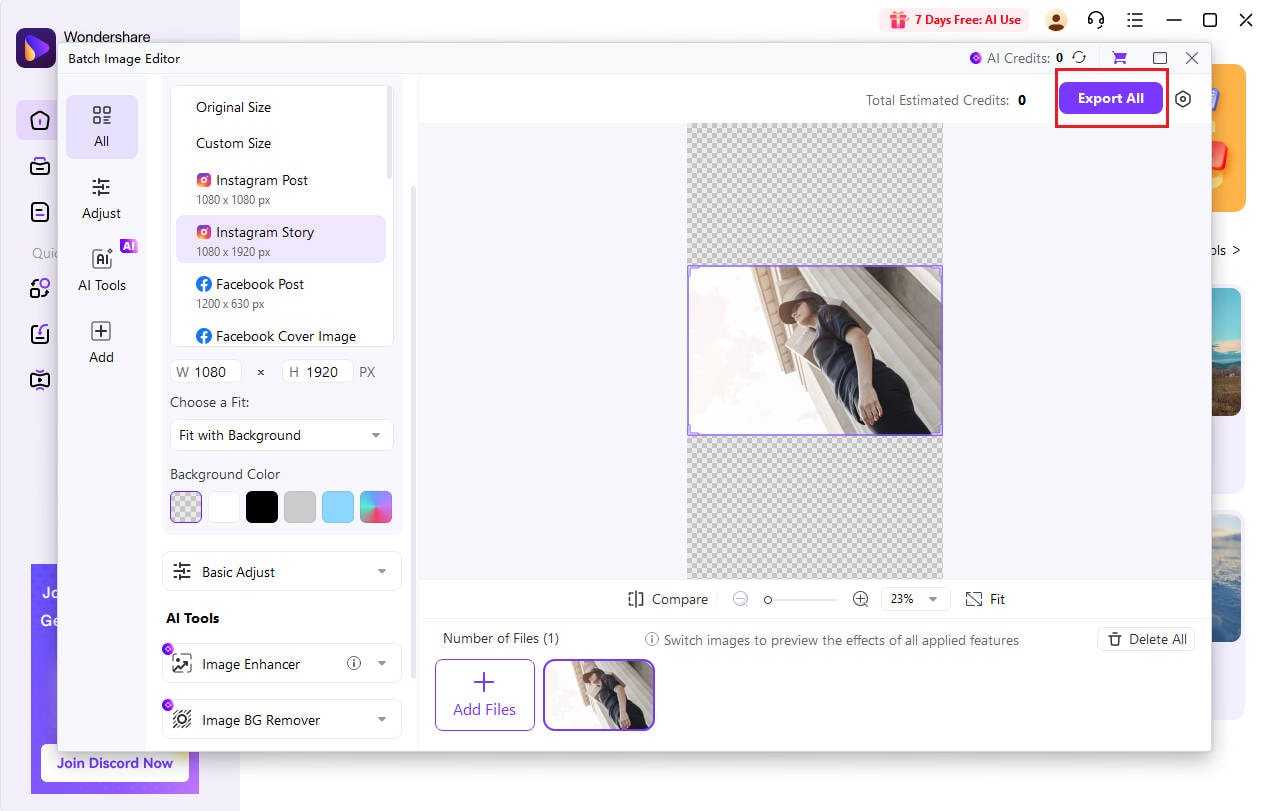
Step 4: Basic Adjust (Optional) and Export
Why This Matters Now
While UniConverter’s current Image Editor is simple by design, using it for Dutch tilt portraits helps demonstrate real creative demand. If you're an artist, photographer, or digital storyteller, your feedback could help push the release of future features—like precision perspective grids, angled overlays, or one-click canted angle effects.
Try the Image Editor today:Explore UniConverter
Want more? Tilt your way into the conversation—your creativity could shape what’s next.
Final Thoughts
The Dutch tilt isn’t just a visual twist—it’s a storytelling tool that adds emotion, energy, and meaning to every frame. Whether in film or photography, this canted angle introduces dynamic tension and reveals inner turmoil or surreal perspective. Mastering the Dutch angle shot means more than playing with composition—it’s about shaping narrative through visual language.
With tools like Wondershare UniConverter, you don’t need a Hollywood setup to begin. Its growing capabilities—including the intuitive Image Edit tool—let you explore Dutch tilt photography today while helping shape the creative tools of tomorrow.
Try it now:Explore UniConverter’s Image Editor →Push for more: Your creativity fuels what comes next.
FAQs
-
1. What is a Dutch angle shot, and why is it used in visual storytelling?
A Dutch angle shot—also known as a canted angle, Dutch tilt, or oblique shot—is a technique where the camera or frame is tilted to create a slanted horizon. It’s used in film and Dutch angle photography to express tension, disorientation, emotional imbalance, or psychological unrest. Directors and photographers use it to break visual symmetry and cue more profound meaning without words. -
2. How is a Dutch tilt different from a standard low-angle or high-angle shot?
While low- and high-angle shots manipulate vertical perspective, a Dutch tilt skews the horizontal axis, introducing diagonal tension. A high-angle Dutch tilt makes a subject appear vulnerable or overwhelmed. In contrast, a low-angle Dutch angle shot can make them seem dominant or menacing—adding psychological nuance to the image. -
3. What are the best tips for creating powerful Dutch angle photography?
To enhance your Dutch tilt photography, use a wide-angle lens, move close to your subject, and rotate the frame by 10°–30° based on the emotional tone. Combine the oblique shot with dynamic composition, diagonal lines, and purposeful cropping. Most importantly, use the technique sparingly for greater impact. -
4. Can I create a Dutch tilt portrait using UniConverter?
Yes. While Wondershare UniConverter is primarily a video tool, it includes a Batch Image Editor feature that allows you to rotate, crop, and adjust still images. This feature makes it possible to simulate a Dutch angle shot in photography. By using UniConverter creatively, you can explore this cinematic style and help shape future features like angle overlays and one-click canted angle presets. -
5. Why is the Dutch angle shot still popular in modern cinema and photography?
The Dutch angle remains a favorite among directors and photographers because it creates instant visual drama. It’s been used in classics like The Third Man and Inception, and it continues to thrive in portraiture and street photography. The Dutch tilt offers a fast, effective way to add narrative weight, especially in emotionally charged or surreal scenes.