
Nothing ruins a perfect take faster than the "micro-jitter" of a handheld camera or the nauseating wobble of a drone caught in the wind. In 2026, while camera sensors have improved, the need for a reliable program to stabilize video is greater than ever. Whether you are a vlogger battling shaky walking shots or a professional filmmaker dealing with rolling shutter, software remains the final line of defense. We have tested the best video stabilization software available today, ranging from Hollywood-grade suites to efficient AI tools, to help you salvage your footage. This guide dives deep into the "real" user experience—speed, accuracy, and the inevitable crop factor—to help you find the best software to stabilize video for your specific workflow.
UniConverter Video Stabilization Software
Table of Contents
- Part 1. The Science of Smooth: How Stabilization Works
- Part 2. 7 Best Video Stabilization Software (Ranked)
- Part 3. At-a-Glance Comparison Table of these Programs to Stabilize Video
- Part 4. Bonus: How to Stabilize Video (Step-by-Step Guide)
- Part 5. Troubleshooting: Why Your Stabilized Video Might Look "Weird"
- FAQs about Video Stabilizer Program
Part 1. The Science of Smooth: How Stabilization Works
Before we dive into the tools, it is critical to understand what video stabilization software actually does to your footage. It is not magic; it is math.

The Mechanism
Every video stabilizer program works on a similar principle: motion tracking. The software analyzes your footage frame by frame, locking onto specific high-contrast points (like the corner of a building or a tree branch). When your camera accidentally shakes to the left, the software digitally shifts the frame to the right to keep those points aligned. This counter-movement neutralizes the shake, creating the illusion of a steady hand.
The "Crop Factor" Reality
Here is the hard truth: stabilization always comes at a cost. Because the software has to move the frame around to counter your shakes, it must cut off the dancing edges of the video to avoid showing black borders. This is known as the "Crop Factor."
However, the best video stabilisation software in 2026 utilizes Generative AI to mitigate this. Instead of just cropping, advanced AI models can partially reconstruct the edges or use "smart cropping" that adapts dynamically to the movement, minimizing that claustrophobic, zoomed-in look.
Why Hardware Isn't Enough
You might ask, "My phone has OIS (Optical Image Stabilization), do I still need software?" The answer is yes. Hardware stabilization is great for reducing large bumps, but it often misses high-frequency vibrations or "micro-jitters." Furthermore, OIS cannot fix "rolling shutter"—that gelatinous wobble caused by CMOS sensors scanning the image line by line. Only a dedicated video image stabilization software with rolling shutter repair algorithms can flatten out that "Jello" effect post-capture.
Part 2. 7 Best Video Stabilization Software (Ranked)
We moved past the marketing copy to test these tools in real-world scenarios: shaky drone footage, handheld vlogs, and low-light clips. Here is our honest breakdown of the best video stabilization software in 2026.
H3: The Heavyweights: Professional & Cinematic Tools
1. Adobe Premiere Pro (Warp Stabilizer)
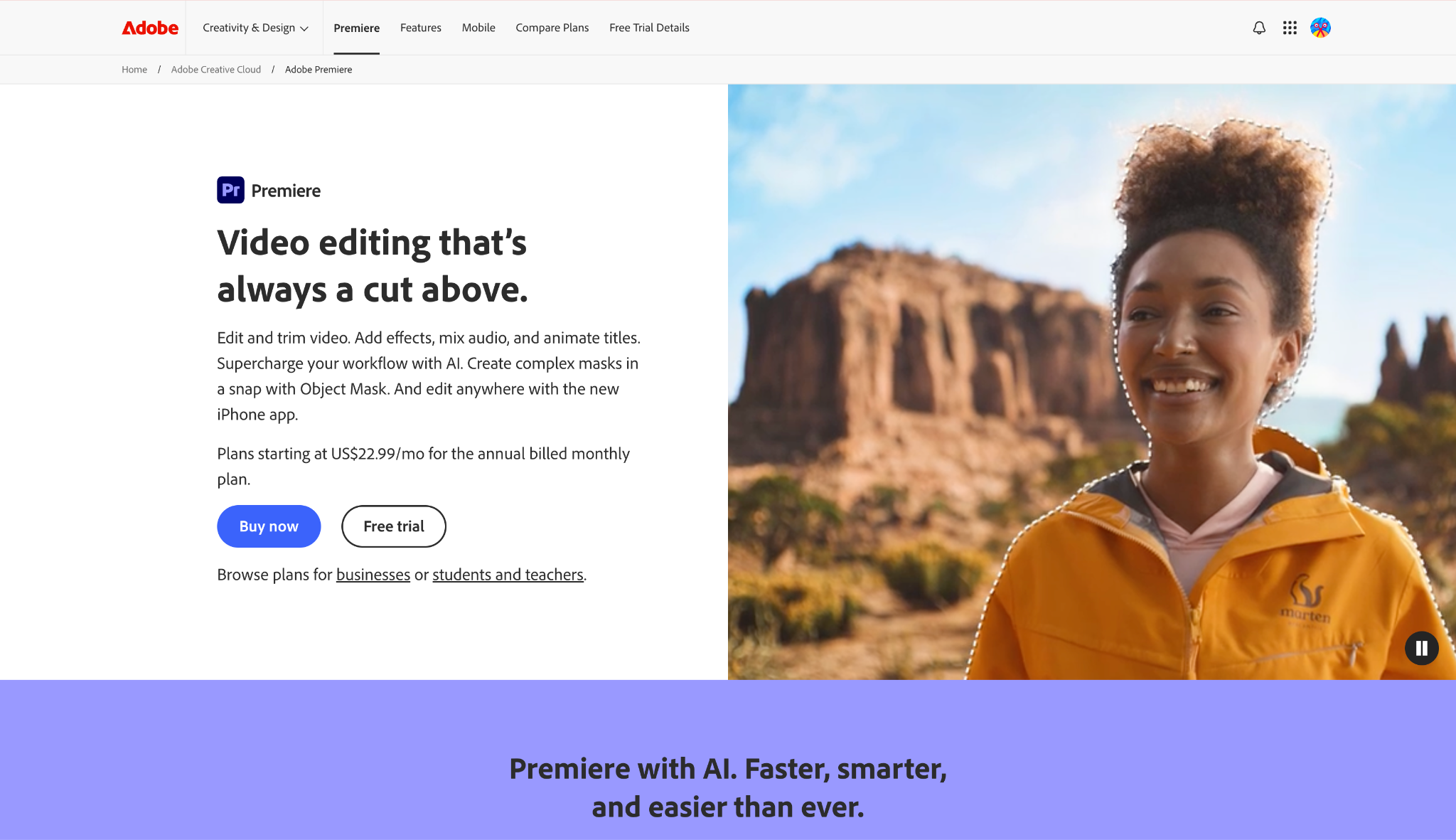
Adobe Premiere Pro remains the industry standard for many editors, primarily due to its integration with the Creative Cloud ecosystem. Its "Warp Stabilizer" effect is legendary—and sometimes infamous. It does not just shift the image; it warps the geometry of the frame to match perspective changes. In our testing, it excelled at smoothing out handheld static shots but struggled with complex camera movements (like walking forward), often introducing weird warping artifacts if pushed too hard.
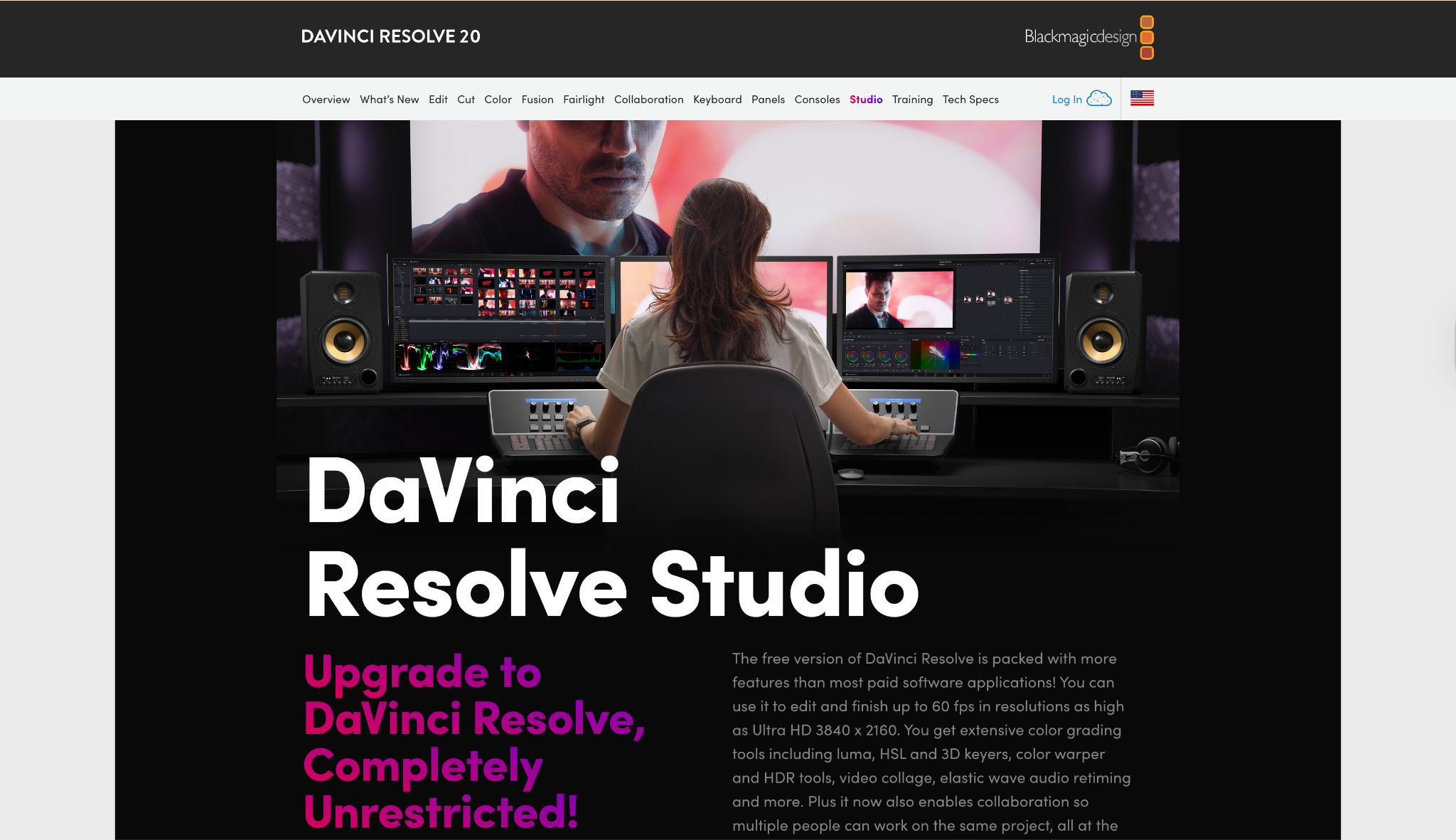
2. DaVinci Resolve Studio (Gyro + Neural Engine)
DaVinci Resolve has taken the crown for the best video stabilisation software for cinema cameras. The Studio version leverages the "Neural Engine" for AI tracking, but the real game-changer is "Gyro Stabilization." If you shoot on Blackmagic or modern Sony cameras, Resolve reads the metadata from the camera's internal gyroscope. Instead of guessing how the camera moved by looking at pixels, it knows exactly how the camera moved physically. The result is uncannily smooth, almost like a gimbal, with zero warping artifacts.
H3: The "Smart" Choice: AI-Powered & Efficient
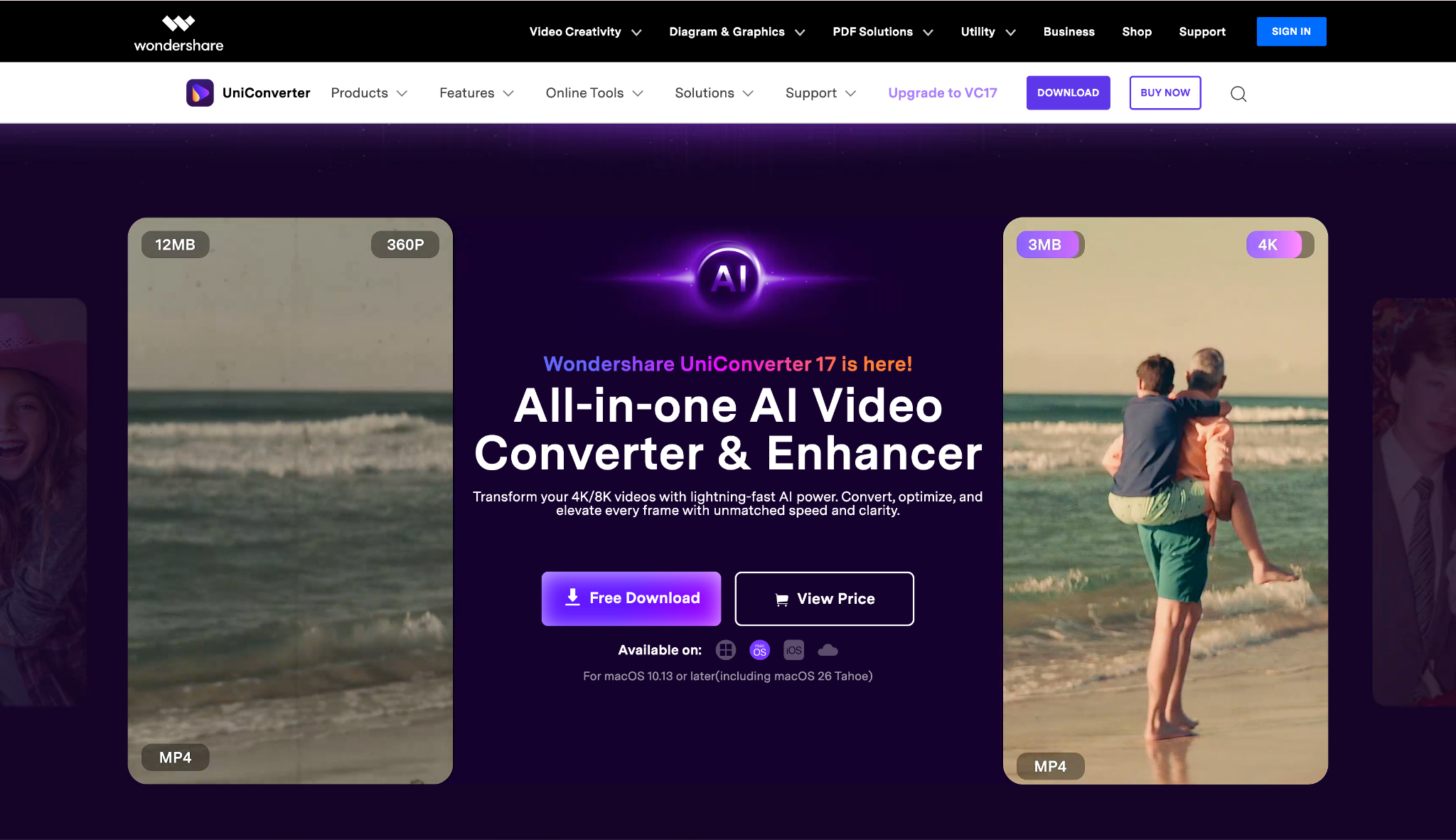
3. Wondershare UniConverter (AI Video Stabilizer)
If you are looking for the best software to stabilize video without needing a degree in video editing, Wondershare UniConverter is the pragmatic winner. It is designed for creators who need speed and quality. During our tests, the AI Video Stabilizer feature stood out for its ability to distinguish between intentional camera movement (panning) and accidental shake. It offers a straightforward interface where you can adjust the stabilization level and see a real-time preview. Unlike professional NLEs that can bog down your computer, UniConverter processes files efficiently, making it ideal for batch processing multiple clips from a shoot. It serves as a comprehensive media processing tool that also polishes your footage.
UniConverter Video Stabilization Software
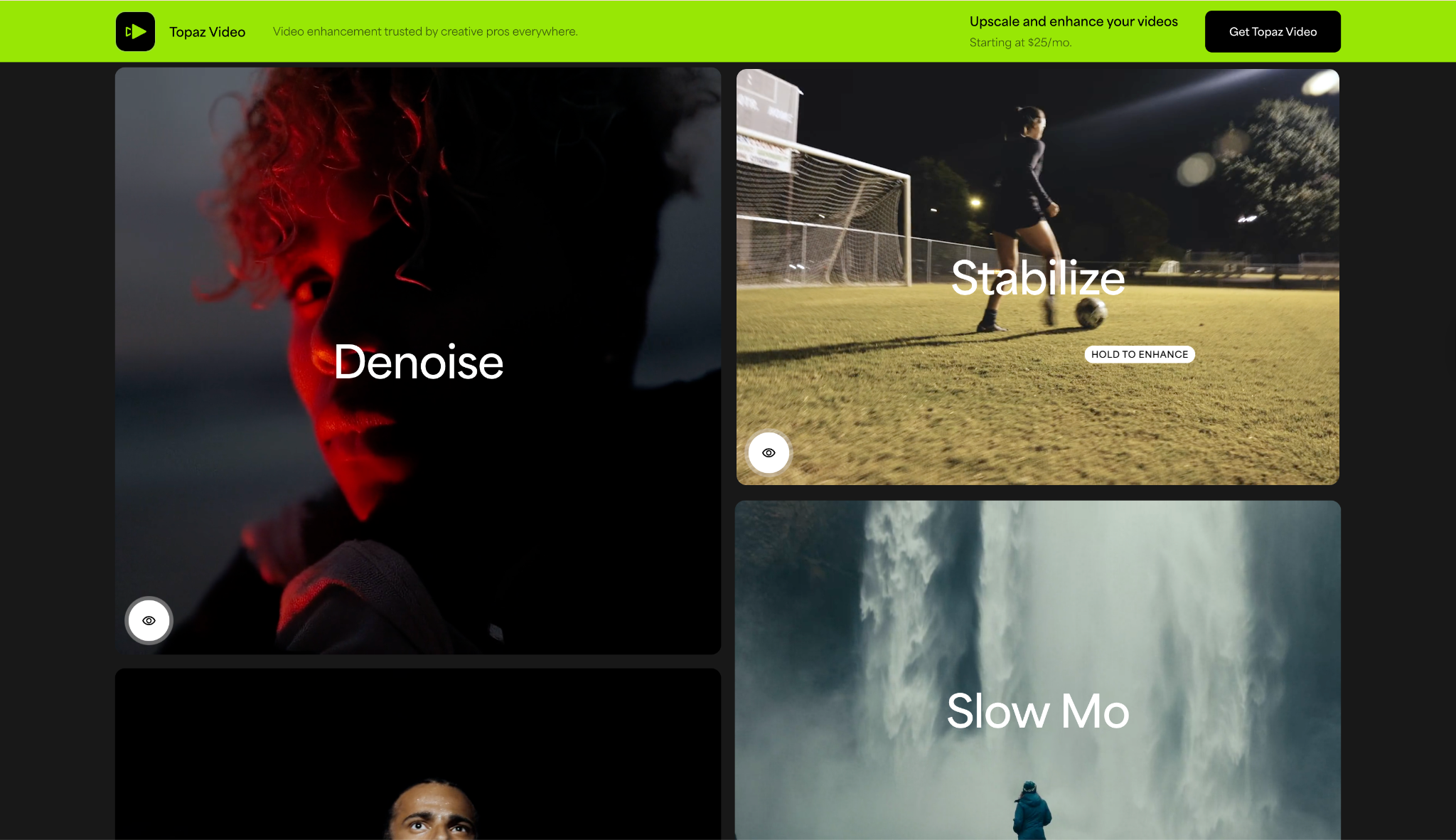
4. Topaz Video AI
Topaz Video AI is often cited as the best video image stabilization software for restoration. It uses computationally expensive AI models to not just stabilize, but "rebuild" the footage. It is particularly good at fixing "motion blur" that often accompanies camera shake—something most other stabilizers cannot fix. If you have a blurry, shaky clip from an old camera, Topaz is your best bet to save it. However, this power comes at the cost of time; rendering a 10-second clip can take minutes depending on your GPU.
H3: Niche, Mobile & Free Options
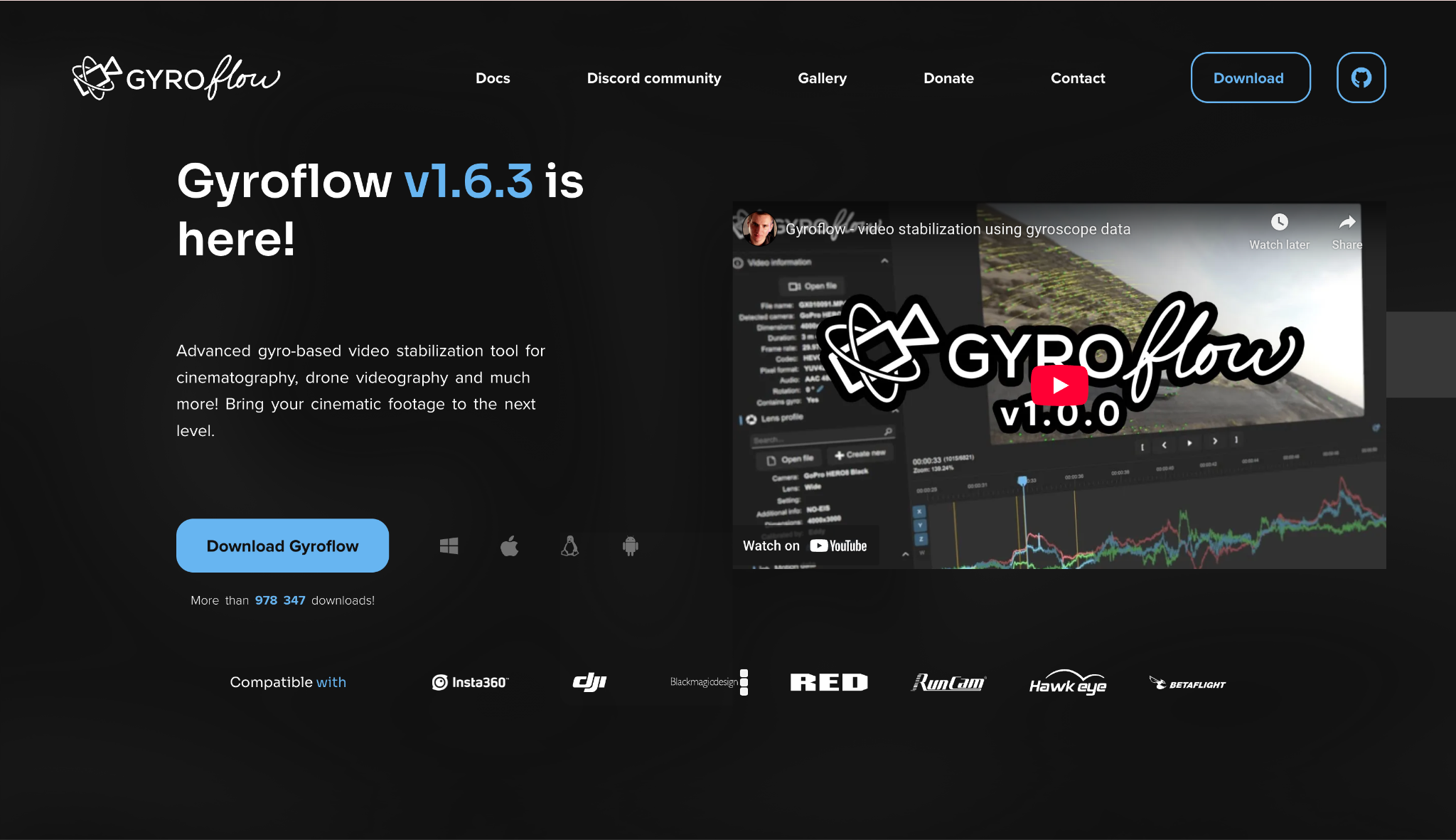
5. Gyroflow (Open Source)
Gyroflow is the open-source hero of the FPV drone community. It is a standalone video stabilizer program that works similarly to DaVinci's gyro tool but supports a massive range of cameras (GoPro, Sony, DJI, Insta360) and even external gyro loggers. It allows you to perfectly sync gyro data with video to smooth out even the most chaotic drone flights. The learning curve is there—you often have to manually sync data points—but the results are mathematically perfect stabilization with no "wobbly background."
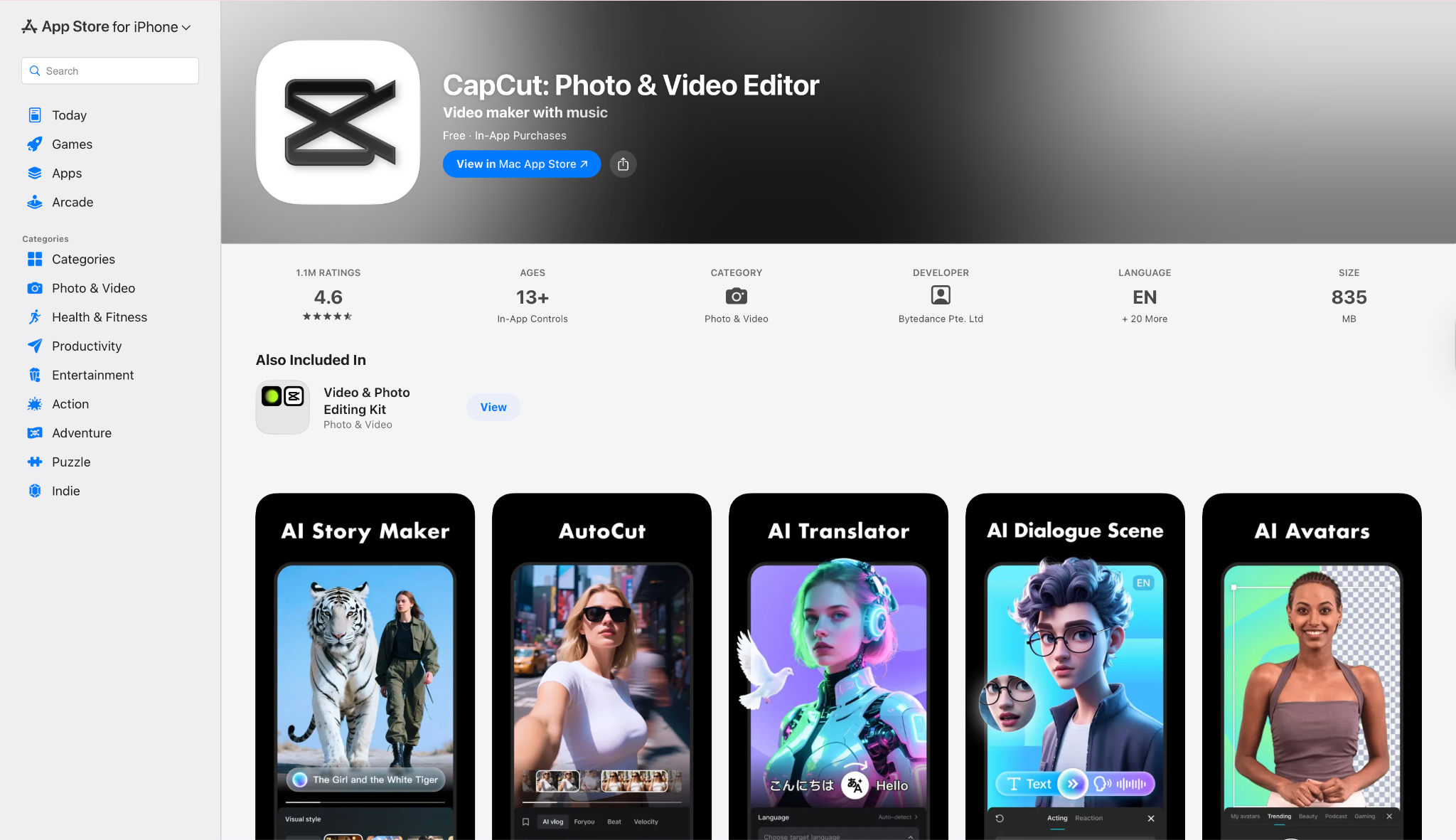
6. CapCut
CapCut has rapidly become the best app for video stabilization for social media creators. Available on mobile, iPad, browser and desktop, its stabilization is surprisingly robust for a free tool. It offers three simple modes: "Recommended," "Minimum Crop," and "Most Stable." In our testing, the "Recommended" setting handled walking vlogs well, though it struggled with low-light jitter. It is fast, free, and integrated directly into a workflow designed for TikTok and Reels.
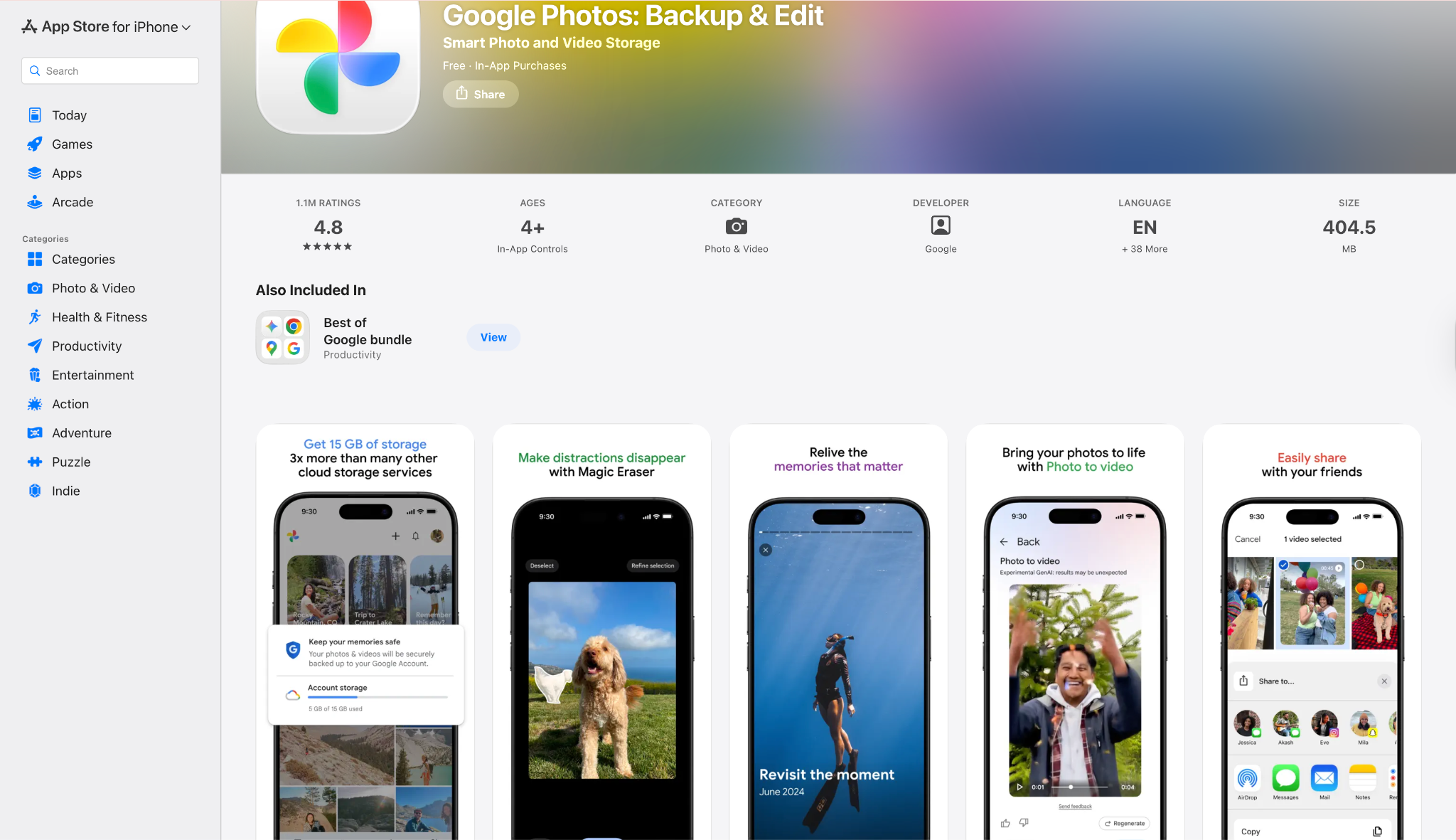
7. Google Photos (Magic Editor)
For the average user, the best video stabilization software is the one they already have. Google Photos (on Android and iOS) includes a simple "Stabilize" button in its edit menu. It is an electronic stabilizer that aggressively crops to smooth out motion. It works remarkably well for smoothing out a shaky video of your kids or pets. However, it often creates a "floating" effect and can reduce the resolution significantly.
Part 3. At-a-Glance Comparison Table of these Programs to Stabilize Video
| Software Name | Platform | Starting Price | Skill Level | Batch Processing? | Best For |
| Premiere Pro | Win/Mac | $22.99/mo | Pro | Yes | Complex edits & perspective warping |
| DaVinci Resolve | Win/Mac/Linux | Free / $295 | Pro | Yes | Cinema cameras & Colorists |
| UniConverter | Win/Mac | Free Trial / $49.99/yr | Beginner | Yes | Speed, Efficiency & Quality |
| Topaz Video AI | Win/Mac | $299 | Pro | Yes | Restoration & Detail Recovery |
| Gyroflow | Win/Mac/Linux | Free | Advanced | Yes | Action Cameras & FPV Drones |
| CapCut | Mobile/Win/Mac/iPad | Free / Paid varies as per the platform | Beginner | No | Social Media & Quick Edits |
| Google Photos | Mobile (iOS and android) | Free | Beginner | No | Casual mobile clips |
Part 4. Bonus: How to Stabilize Video (Step-by-Step Guide)
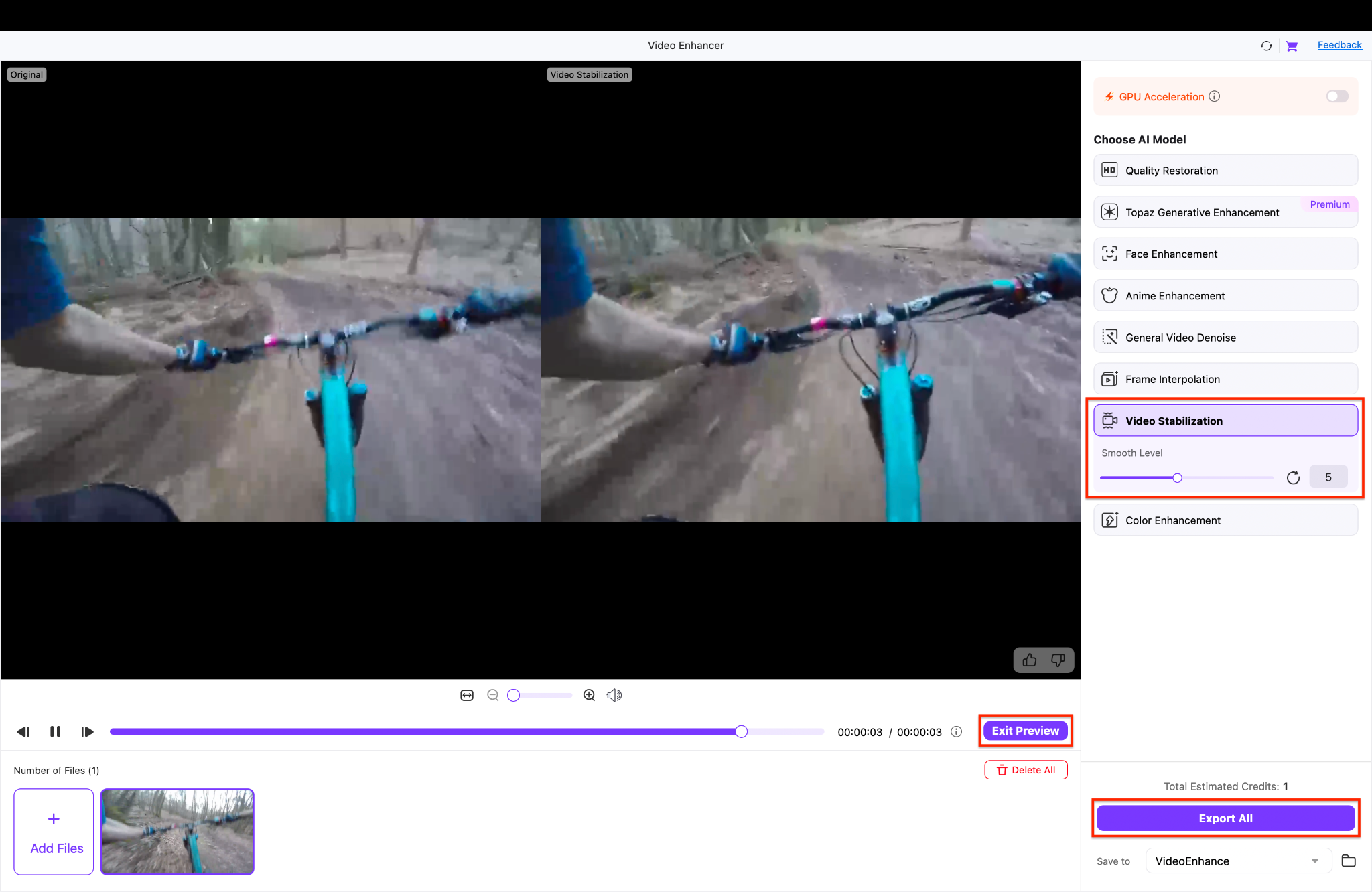
If you want a balance of quality and simplicity, desktop software is the way to go. Here is how to use Wondershare UniConverter's dedicated video stabilizer program. Its AI engine handles the complex calculations for you, saving you hours of manual editing.
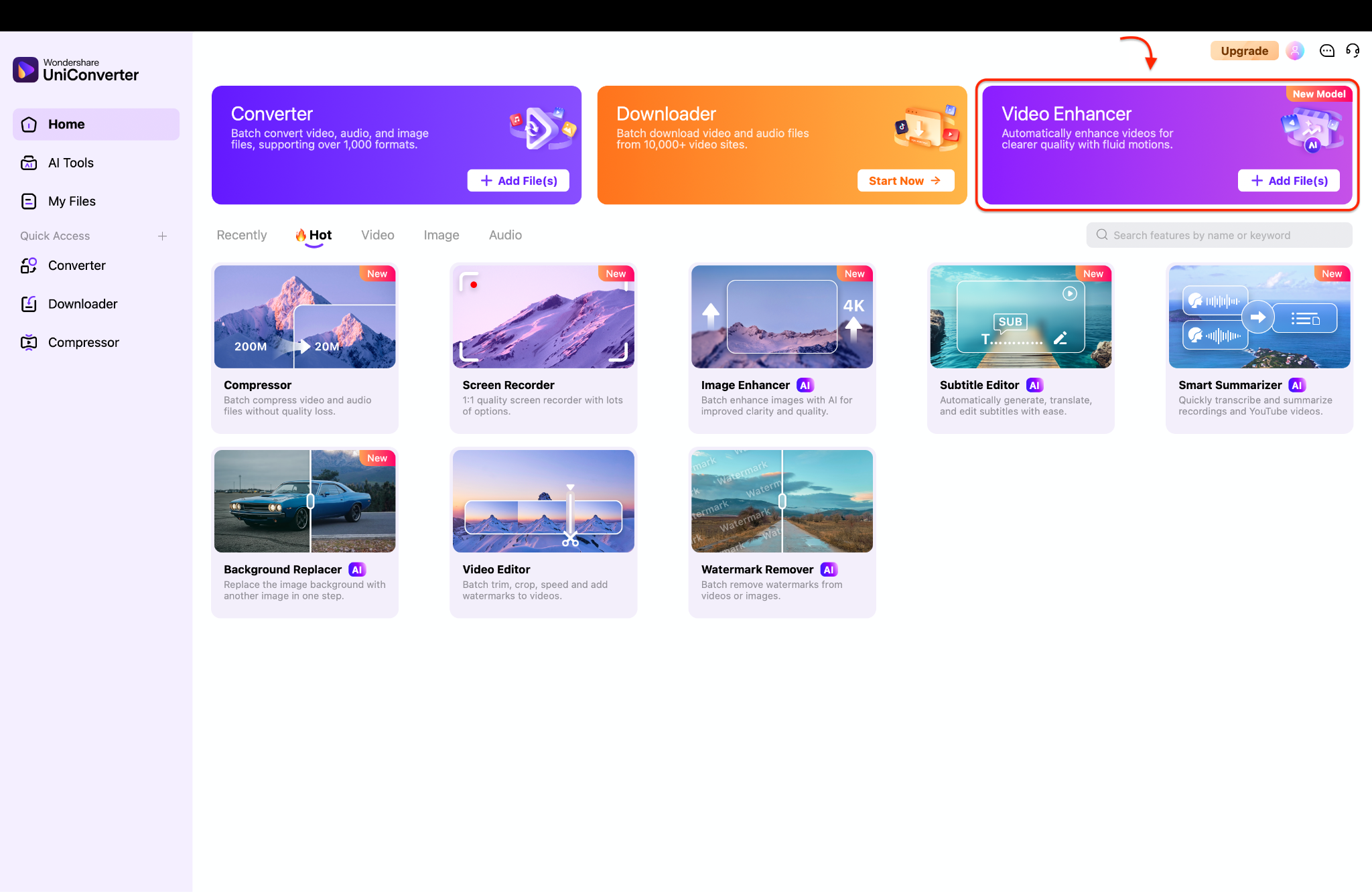
Step 1: Open the Video Enhancer
Step 2: Upload Video and Choose the Model
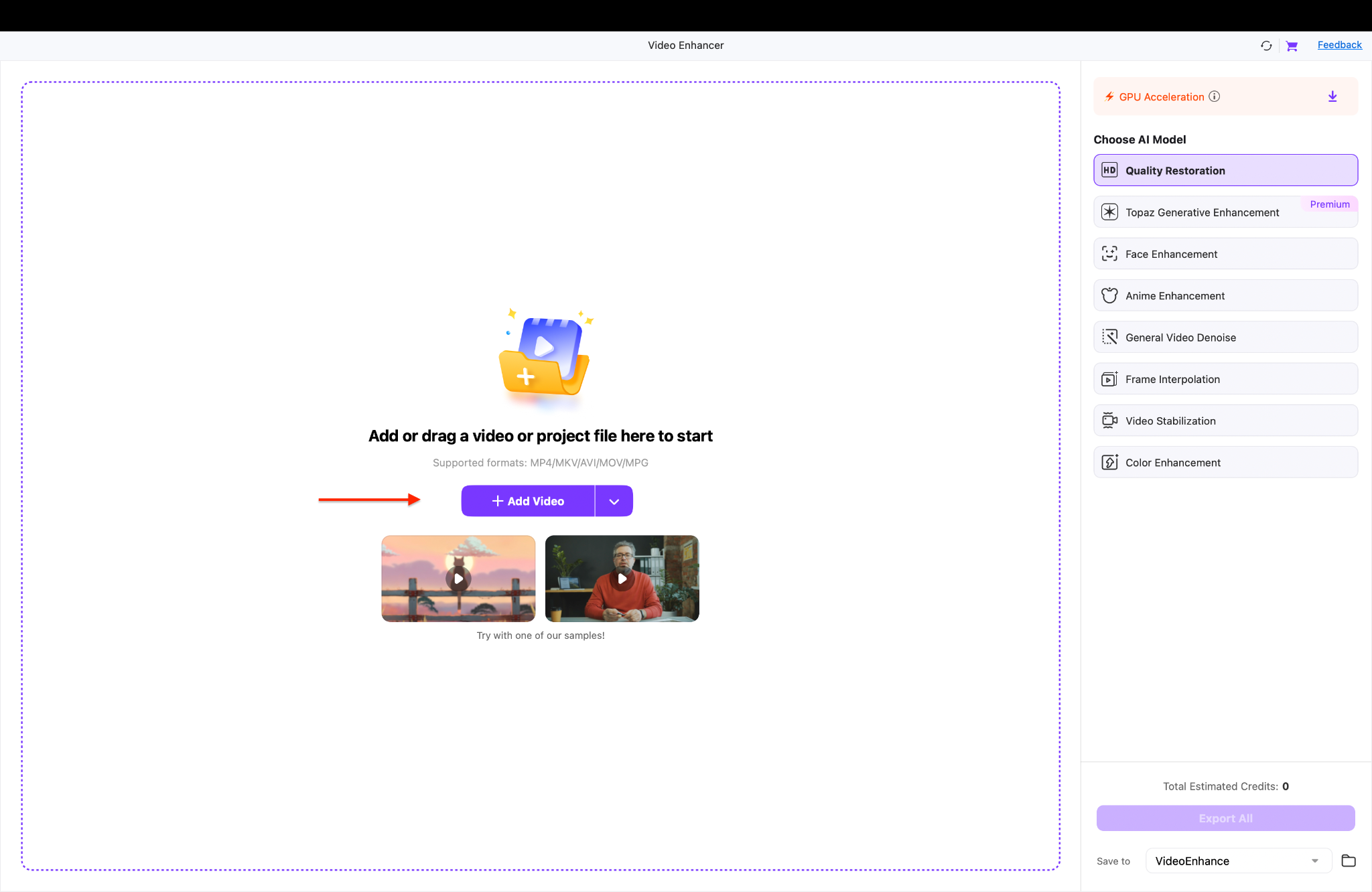
Pro Tip: Before committing to a full file export, use the purple "Preview (3 s)" button located under the video player to generate a quick side-by-side comparison of a short segment. This saves you time and allows you to verify that the video stabilizer program is smoothing out the action exactly how you want it.
Step 3: Save and Export Your Footage
Part 5. Troubleshooting: Why Your Stabilized Video Might Look "Weird"
Even the best video image stabilization software can fail if the settings aren't right. Here are common issues and how to fix them.

- The "Jello" Effect: If your video looks like it is wobbling underwater, the software is fighting "Rolling Shutter." Standard stabilizers push the image left/right, but rolling shutter warps it diagonally. Solution: Use a tool with a dedicated "Rolling Shutter Ripple" repair function or increase the shutter speed on your camera for future shoots.
- The "Pulsing" Background: If the background looks like it is breathing (zooming in and out rhythmically), the stabilization is too aggressive. The software is trying to fix Z-axis (forward/backward) movement that isn't there. Tip: Lower the smoothness slider or disable "Scale" stabilization if available.
- The Soft Image: If the result is blurry, the software zoomed in too much to hide the black edges (Crop Factor). Tip: Shoot in 4K or higher resolution. This gives the best software to stabilize video enough extra pixels to crop without dropping the final output below 1080p. Alternatively, use an AI video enhancer post-stabilization to sharpen the details.
Conclusion
Finding the best video stabilization software does not have to be a complicated process. Whether you are correcting minor handheld jitters or salvaging an unwatchable clip, the right tool transforms your final project. While heavy cinematic editors offer immense power, they often demand steep learning curves and expensive hardware. For most creators, Wondershare UniConverter stands out as the best video image stabilisation software for everyday tasks. Its lightweight AI engine lets you quickly apply corrections, ensuring your footage looks professional in seconds. You can easily explore its full suite of AI tools today and let this video image stabilisation software handle the complex math for you.