


Pixar has built its legacy on turning unlikely ideas into emotional landmarks — toys with feelings, monsters powered by screams, and emotions living inside a child’s mind. With Hoppers (2026), the studio pushes that tradition into even stranger territory, asking a deceptively simple question: what if humans could literally step into the animal world?
Directed by We Bare Bears creator Daniel Chong, Hoppers blends high-concept sci-fi with playful comedy and environmental themes, all wrapped in Pixar’s signature warmth. The premise may sound bonkers on paper — humans “hopping” their consciousness into robotic animal bodies — but early footage suggests a film that’s less about the gimmick and more about empathy, identity, and seeing the world from a radically different point of view.
This spoiler-free trailer review breaks down what Hoppers is about, what the trailer reveals, how it fits into Pixar’s evolving creative landscape, and why expectations are unusually high for one of the studio’s boldest originals in years.
In this article
- Synopsis — What Hoppers Is About?
- What Is the Release Date, Genre & Viewing Details?
- What Does the First Trailer Reveal About Hoppers?
- Who Is in the Cast of Hoppers? (Cast & Characters)
- What Is Daniel Chong’s Creative Vision for Hoppers?
- What Is the Emotional and Thematic Core of Hoppers?
- What Are Audiences Expecting From Pixar This Time?
- How to Record Videos Using UniConverter
- Final Thoughts
- FAQ
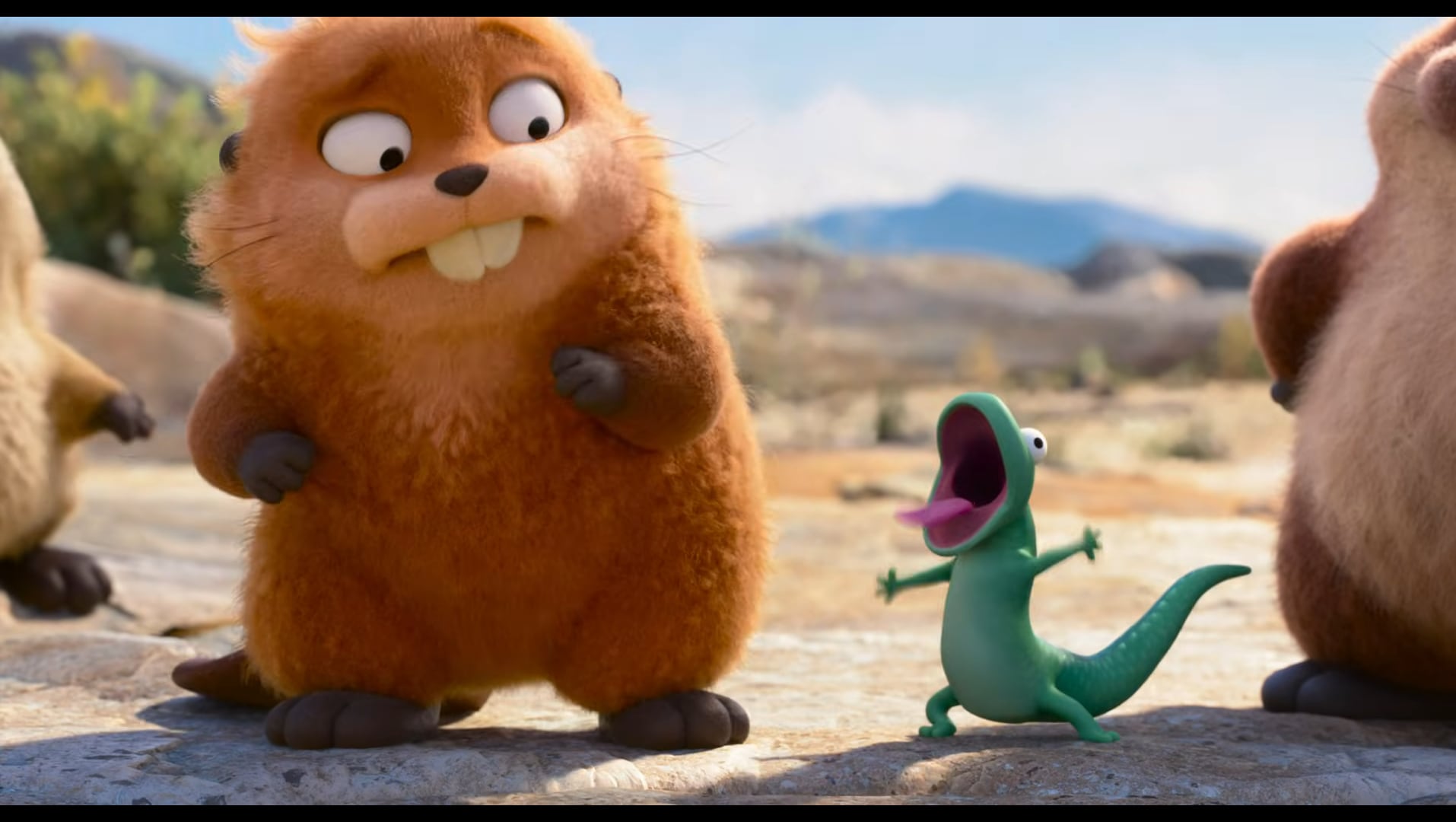
Part 1: Synopsis — What Hoppers Is About?
The Core Concept
At the heart of Hoppers is a bold sci-fi idea: scientists develop experimental technology that allows human consciousness to “hop” into highly advanced robotic animal bodies. These lifelike creations aren’t just tools — they move, behave, and interact like real animals, blurring the line between observer and participant in the natural world.
Meet the Protagonist: Mabel Tanaka
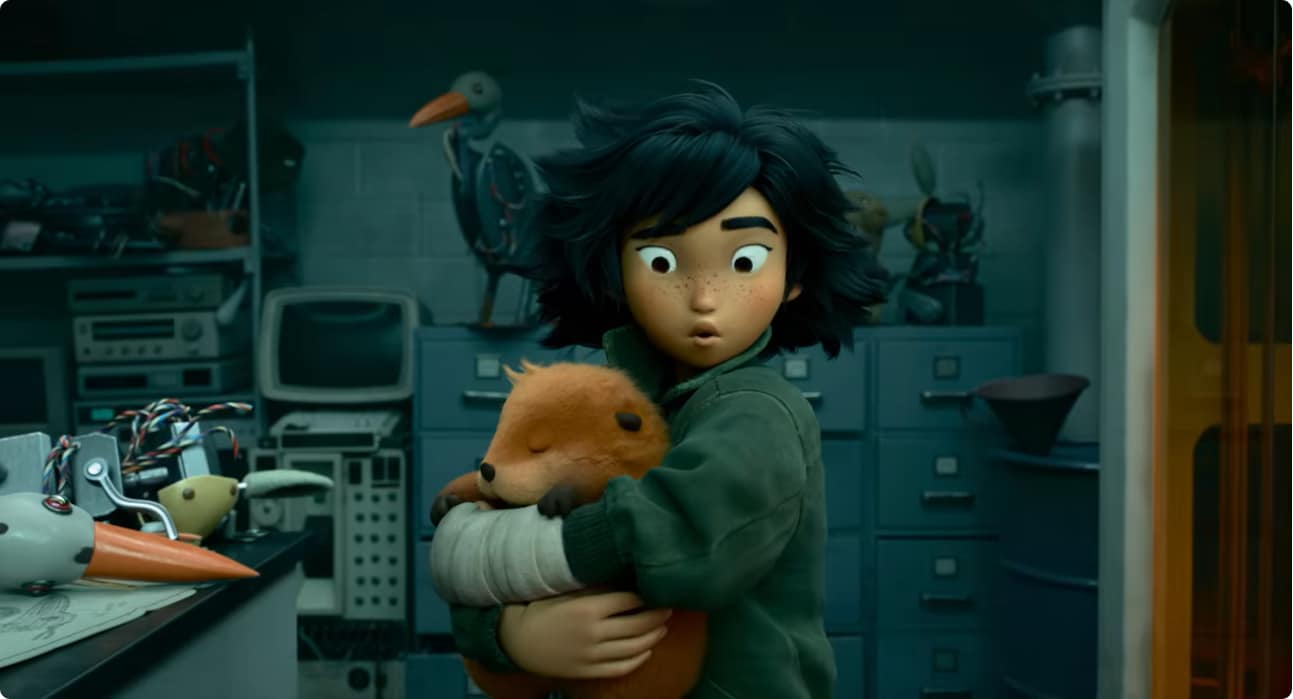
Mabel Tanaka is a 19-year-old animal lover whose curiosity and compassion place her at the center of the experiment. When an unexpected mishap leaves her consciousness transferred into a robotic beaver, Mabel is forced to navigate life from a completely new perspective — one defined by instincts, vulnerability, and an entirely different social order.
The Central Conflict
From inside the animal world, Mabel discovers the growing threat posed by human expansion and environmental disruption. Using her unique ability to communicate across species, she becomes an unlikely bridge between humans and animals, attempting to protect fragile habitats while questioning whether humans truly understand the consequences of their actions.
Rather than framing animals as sidekicks or symbols, Hoppers positions them as communities with agency — turning Mabel’s journey into both an adventure and a quiet moral reckoning.
Part 2: What Is the Release Date, Genre & Viewing Details?
Release Date
Hoppers is scheduled to arrive in U.S. theaters on March 6, 2026, placing it in a strategic early-spring slot where Pixar has previously launched some of its most successful originals. The timing suggests confidence from the studio, positioning the film as a major family draw rather than a quiet experimental release.
Genre & Rating
The film is best described as an animated sci-fi comedy with strong family appeal. While its body-swap premise leans into playful, high-concept humor, the story also appears designed to resonate across age groups, balancing slapstick moments with thoughtful emotional beats. As with most Pixar releases, the tone is expected to remain accessible for younger viewers while offering layered themes that adults can appreciate.
Where Will Hoppers Be Available to Watch?
Pixar is treating Hoppers as a theatrical-first experience, emphasizing its visual scale, expressive animation, and action-driven set pieces meant for the big screen. This approach aligns with Pixar’s renewed focus on cinema releases after several titles debuted directly on streaming.
Following its theatrical run, Hoppers is expected to transition to Disney+, consistent with Disney’s recent distribution strategy. While no official streaming date has been announced, families who prefer at-home viewing can likely expect availability later in the year.
Part 3: What Does the First Trailer Reveal About Hoppers?
Visual and Tonal Style
The first trailer immediately highlights Pixar’s continued evolution in animation detail and expressive character design. The robotic animals are rendered with a tactile realism that makes them feel mechanical yet emotionally alive, while the natural environments burst with color and texture. From rippling water to dense forest backdrops, the visual world of Hoppers feels expansive and immersive.
Tonally, the trailer strikes a careful balance between playful absurdity and genuine emotional stakes. Rapid-fire jokes and physical comedy—especially those centered on Mabel adjusting to life in a beaver’s body—are woven alongside quieter moments of reflection. These glimpses suggest a film that uses humor as an entry point before gradually introducing deeper themes of belonging, responsibility, and empathy.
Key Scenes & Narrative Beats
One of the trailer’s most striking sequences focuses on Mabel’s initial transformation into a robotic beaver. The scene plays both as comedy and as disorientation, emphasizing how overwhelming it is to suddenly perceive the world through an animal’s senses. Her first interactions with real animals hint at an unexpected social hierarchy and culture within the animal world, adding intrigue beyond the initial gimmick.
The trailer also teases environmental conflict without spelling it out. Shots of disrupted habitats and tense animal reactions imply larger stakes tied to human interference, while brief emotional beats—ranging from chaotic slapstick to sincere connection—signal the film’s wide tonal range. Together, these moments suggest Hoppers will move fluidly between lighthearted adventure and heartfelt storytelling.
What Films and Genres Is Hoppers Being Compared To?
Early reactions and subtle in-trailer nods have sparked comparisons to films like Avatar, particularly in the idea of inhabiting another body to gain understanding of a different world. At the same time, the trailer’s kinetic pacing and high-stakes set pieces echo the slick momentum of Mission: Impossible–style action, albeit filtered through Pixar’s family-friendly lens.
Importantly, these influences appear more playful than derivative. Rather than leaning heavily into epic spectacle, Hoppers seems intent on subverting expectations—using familiar cinematic touchstones to lure audiences in before delivering something more intimate and character-driven. The result is a trailer that promises excitement while reinforcing that the film’s true focus lies in perspective and connection.
Part 4: Who is in the Cast of Hoppers? (Cast & Characters)
Star Power: Who’s Playing Who
Pixar is leaning heavily into recognizable voices for Hoppers, pairing its high-concept premise with an attention-grabbing cast lineup.
Meryl Streep voices the Insect Queen, a commanding and theatrical presence who appears to rule her domain with sharp wit and absolute authority. The role marks one of Pixar’s most high-profile voice performances in years and hints at a character designed to steal scenes.
Dave Franco lends his voice to a key supporting role within the animal world, bringing fast-paced comedic energy that fits the film’s playful tone. His character appears closely tied to Mabel’s journey as she navigates unfamiliar territory.
Jon Hamm voices a figure of influence and structure, seemingly embodying leadership within the animal hierarchy. His smooth, authoritative delivery adds contrast to the film’s more chaotic personalities.
Bobby Moynihan rounds out the ensemble with a character built for broad comedy, leaning into exaggerated reactions and physical humor that complement the film’s slapstick moments.
Together, the cast blends prestige acting with proven comedic voices, reinforcing Pixar’s confidence in the film’s character-driven appeal.
Character Dynamics
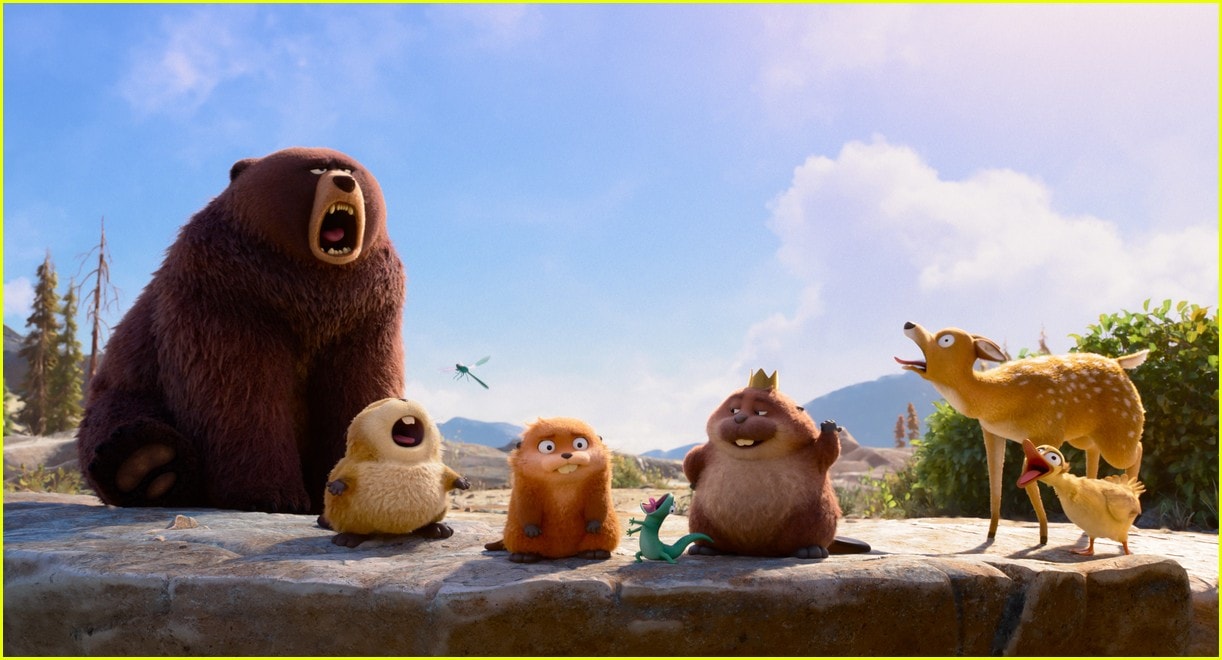
Early footage suggests that Hoppers thrives on the clash between personalities as much as its visual spectacle. Mabel’s interactions with beaver leadership, insect royalty, and eccentric animal figures create a social ecosystem that feels both absurd and surprisingly organized.
The chemistry teased in trailers points to rapid-fire banter, power struggles, and unlikely alliances, all filtered through Pixar’s trademark warmth. Rather than existing as isolated gag characters, the animals appear to form a fully functioning society — one that challenges Mabel’s human perspective and fuels much of the film’s humor and heart
Part 5: What Is Daniel Chong’s Creative Vision for Hoppers?
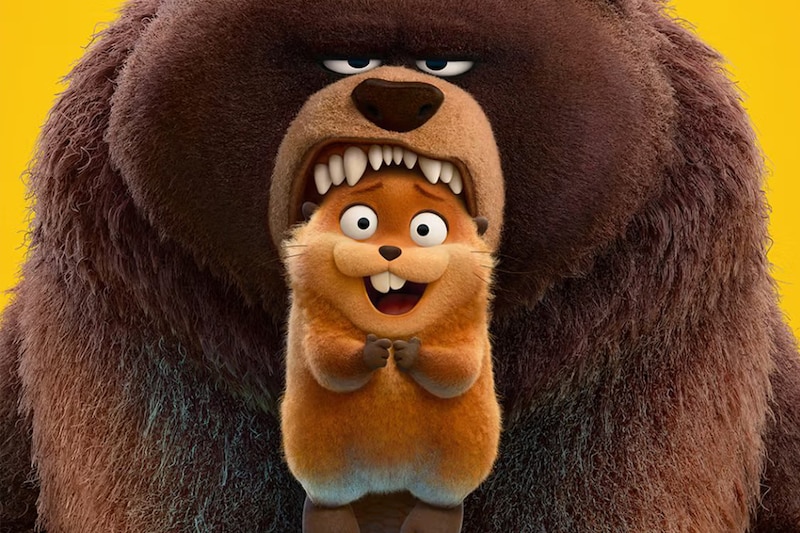
With Hoppers, director Daniel Chong brings a distinctly playful yet emotionally grounded sensibility to Pixar. Best known as the creator of We Bare Bears, Chong has a proven talent for blending absurd humor with heartfelt character moments — a balance that feels tailor-made for a high-concept film like Hoppers. His background in television animation also informs the film’s brisk pacing, expressive character work, and willingness to embrace visual comedy without sacrificing narrative clarity.
An Original Creative Direction for Pixar
More importantly, Hoppers represents a deliberate creative shift within Pixar’s recent output. Rather than relying on established franchises or familiar characters, the film leans fully into an original framework, built around a risky, imaginative premise that prioritizes world-building and fresh storytelling. Under Chong’s direction, the film appears less concerned with nostalgia and more focused on experimentation, signaling Pixar’s intent to reassert itself as a studio driven by new ideas.
Contrasting Sequels and Reclaiming Pixar’s Identity
This contrast becomes especially clear when viewed alongside Pixar’s recent sequel-heavy slate. Where franchises offer comfort and predictability, Hoppers embraces uncertainty — trusting that a bold concept, guided by a strong directorial voice, can reconnect audiences with the studio’s original spirit. If successful, Chong’s vision could mark an important step in redefining what modern Pixar originals look like.
Part 6: What Is the Emotional and Thematic Core of Hoppers?
At its core, Hoppers appears less interested in spectacle than in perspective. Beneath the sci-fi gimmick and animal comedy lies a story about empathy — not just toward nature, but toward lives fundamentally different from our own.
Environmental Empathy
Mabel’s journey into the animal world functions as a powerful metaphor for environmental awareness. Rather than presenting nature as something to be protected from a distance, Hopper places its protagonist directly inside it. By experiencing habitat disruption from an animal’s point of view, the film reframes environmental issues as personal rather than abstract. This approach aligns with Pixar’s strength in making big ideas emotionally accessible, especially for younger audiences who may be encountering these themes for the first time.
Identity and Transformation
The act of “hopping” into another body also opens the door to questions of identity. Mabel isn’t simply pretending to be an animal — she must adapt to new instincts, limitations, and social rules. The film uses this transformation, both literal and figurative, to explore what it means to truly understand someone else’s experience. In doing so, Hoppers echoes classic Pixar themes of self-discovery, asking whether empathy requires observation or participation.
Balancing Humor and Heart
Crucially, Hoppers doesn’t appear weighed down by its themes. The trailer suggests that broad physical comedy and playful absurdity serve as the film’s entry point, making the heavier ideas easier to digest. If Pixar strikes the right balance, the humor will disarm audiences before the emotional beats quietly land — a formula the studio has mastered in its best work. The result could be a film that entertains first, then lingers, leaving viewers thinking about perspective long after the credits roll.
Part 7: What Are Audiences Expecting From Pixar This Time?
Hoppers arrives at a moment when Pixar’s relationship with its audience is actively evolving. After years of sequels, spin-offs, and streaming-first releases, expectations for a new Pixar original are unusually high — and more complicated than simple box-office hopes.
The Desire for Emotional Impact
Longtime Pixar fans aren’t just looking for clever concepts; they’re hoping for a film that delivers the kind of emotional resonance that defined classics like Up, Inside Out, and Wall·E. With its body-swap premise and environmental themes, Hoppers appears positioned to tap into that emotional lineage, raising hopes that it can make audiences laugh while still leaving a lasting emotional impression.
The Appeal of Creative Risk
At the same time, there’s growing appetite for originality. Many viewers want Pixar to prove it can still surprise them — not by revisiting familiar characters, but by committing fully to strange, ambitious ideas. Hoppers’ unconventional setup is part of its appeal, but it also places pressure on the film to justify its weirdness with meaningful storytelling.
Originals vs. Franchises: The Balancing Act
Compared to sequels, original films face a steeper climb. They must earn audience trust without the safety net of nostalgia or brand recognition. For Hoppers, success will likely depend on how seamlessly it blends its inventive premise with emotional clarity. If Pixar can strike that balance, the film could reinforce confidence in the studio’s original storytelling — and help shape expectations for where Pixar goes next.
As films like Hoppers spark conversation online, many viewers enjoy revisiting standout moments beyond the theater — whether for analysis, content creation, or simple fandom fun. Short clips, reaction shots, and visual highlights often become part of how audiences engage with animated films after release. Having the right tools makes it easier to capture and preserve those moments without technical hassle. This is where simple video recording and conversion solutions come into play, leading naturally into the section below.
Part 8: How to Record Videos Using Uniconverter
Hoppers’ demands your full attention—and maybe a screen recorder. To save and break down its most mind-bending moments, I recommend UniConverter. If you want to capture those insane frames for your own review or reaction video, let me introduce you to my not-so-secret weapon: UniConverter Screen Recorder. Apart from normal app recording or audio recording, it also offers a dedicated game recorder for Windows users, which greatly extend its usability.
Step by step guide to record videos
Step 1: Launch Wondershare Screen Recorder
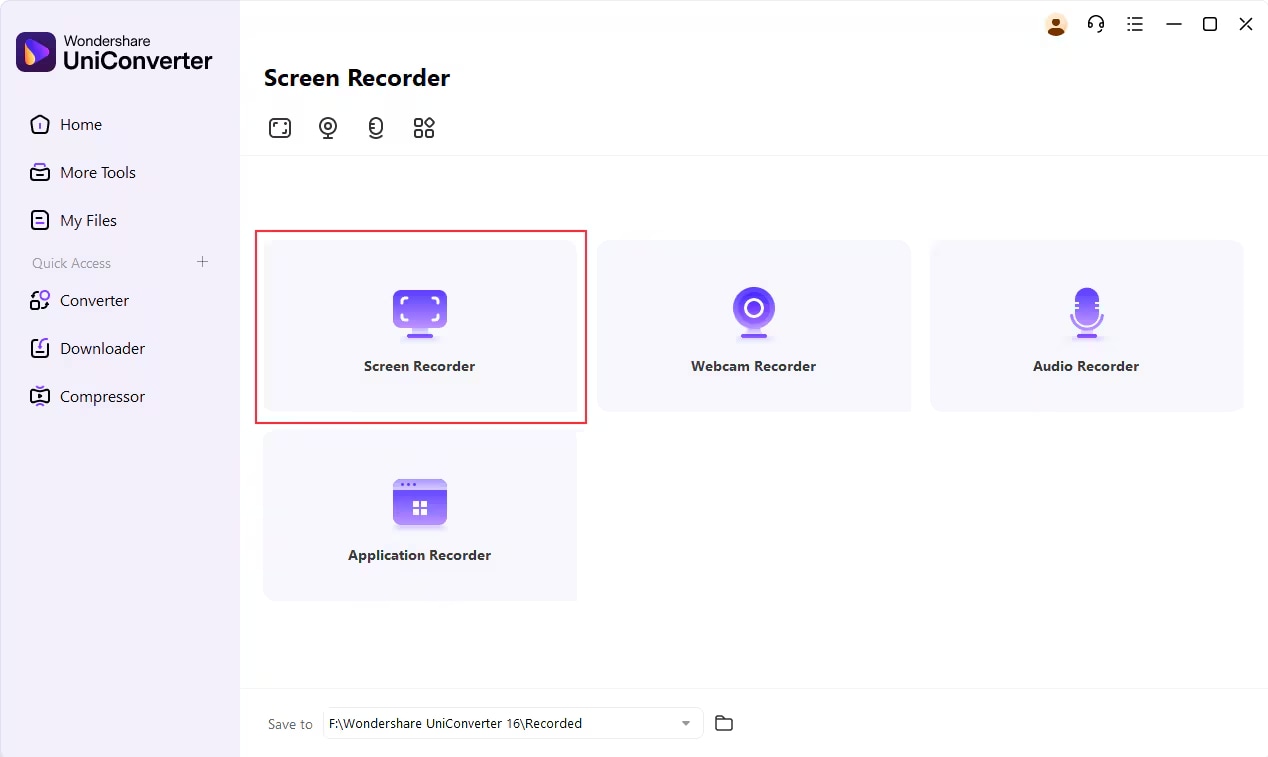
Install and open Wondershare UniConverter on your Windows PC or Mac. From the Home section in the left pane, locate and click on the Screen Recorder function to access the multi-screen recording tools. This is where you’ll start setting up your recording for one or multiple monitors.
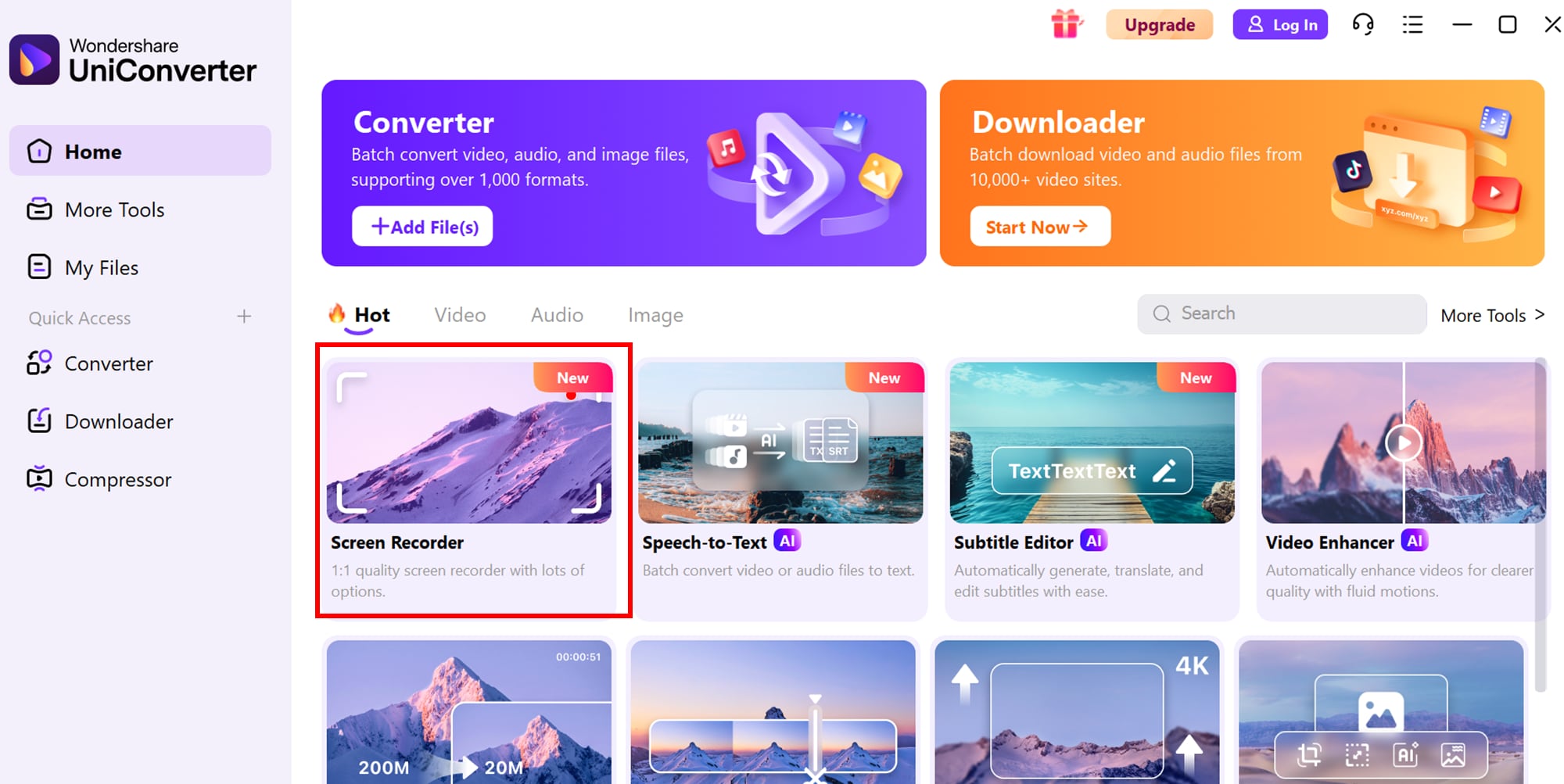
After opening UniConverter, click the Screen Recorder icon located at the center of the window. This will launch the full Screen Recorder interface, where you can configure your multi-screen recording settings and start capturing your screens.
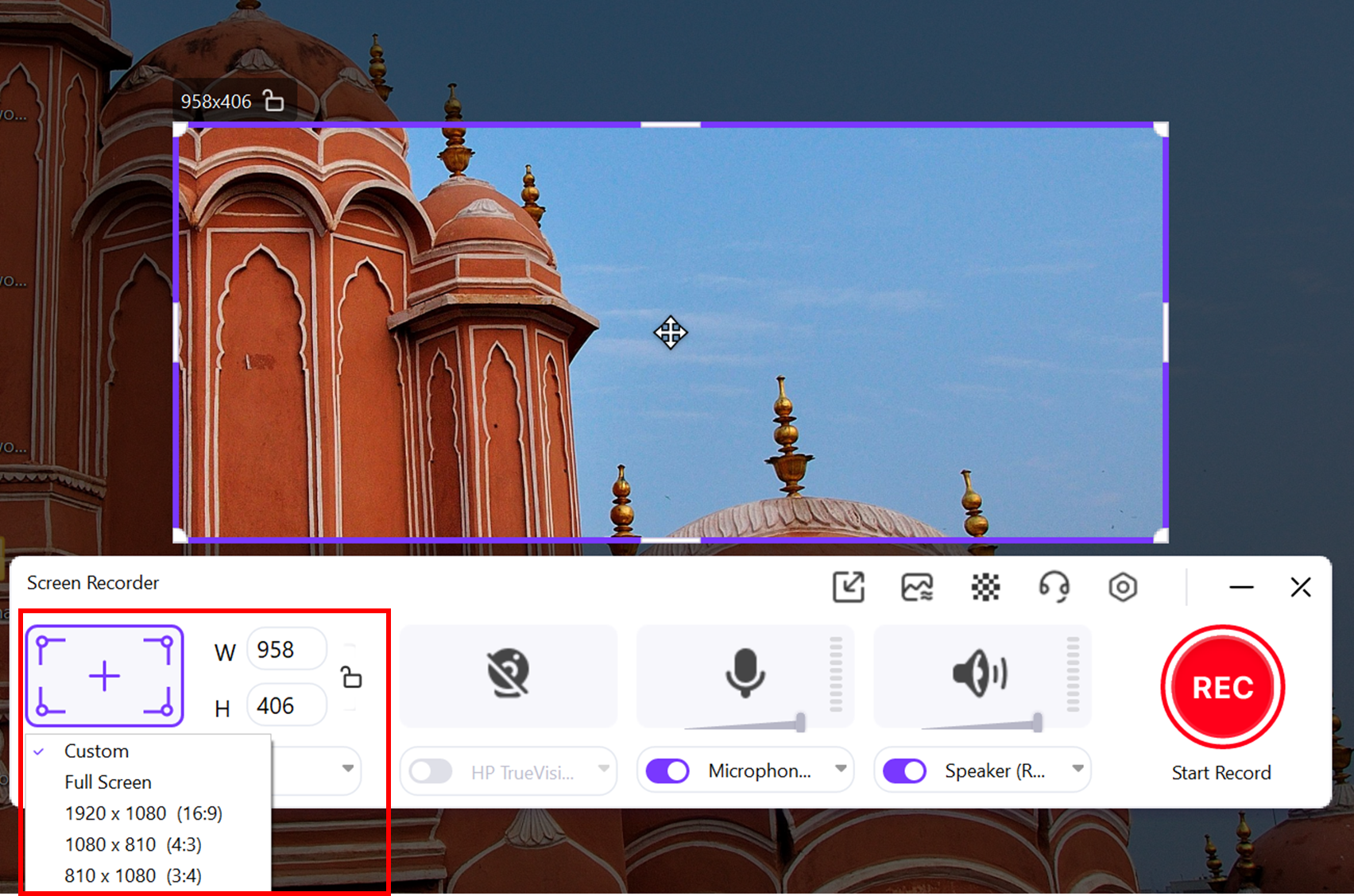
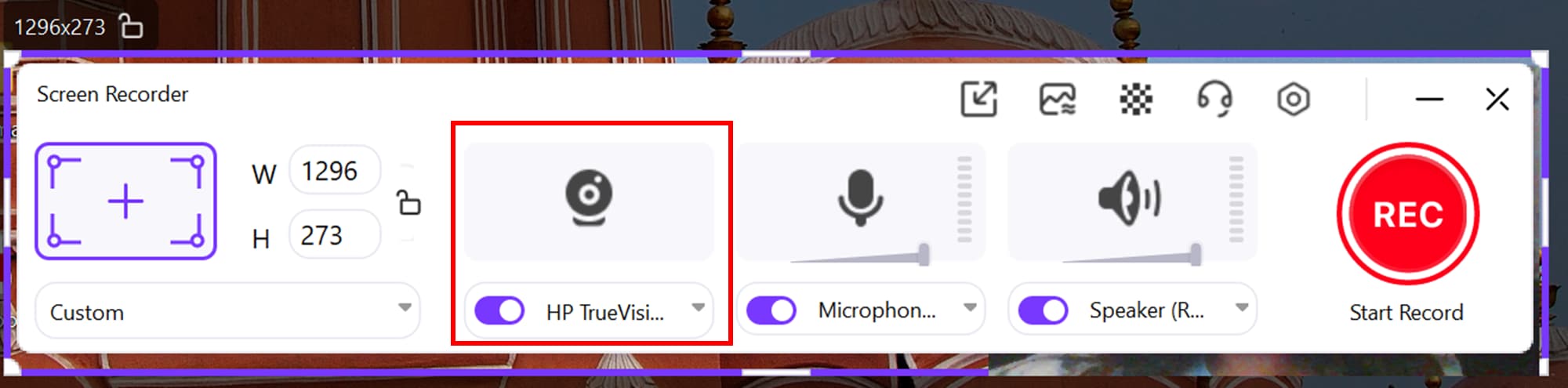
Step 2: Choose Capture Area, Screen & Audio
Select Full Screen or Custom Area by adjusting the cropper or entering exact dimensions. Pick the screen you want to record (UniConverter supports dual-screen recording) and choose your audio sources—system sound, microphone, or both—depending on your recording needs.
Tip: Wondershare UniConverter also supports switch screen recording. To switch between screens, click the Switch Screen icon next to the Gear icon. Once selected, follow the same steps to set the capture area and audio sources, then start recording your chosen screen seamlessly.
Step 3: Customize Recording Settings (Optional)
Enable Picture-in-Picture to record yourself via webcam. Open the Settings (Gear icon) to adjust video format, quality, frame rate, mouse effects, recording timer, and keyboard shortcuts for a smoother workflow.
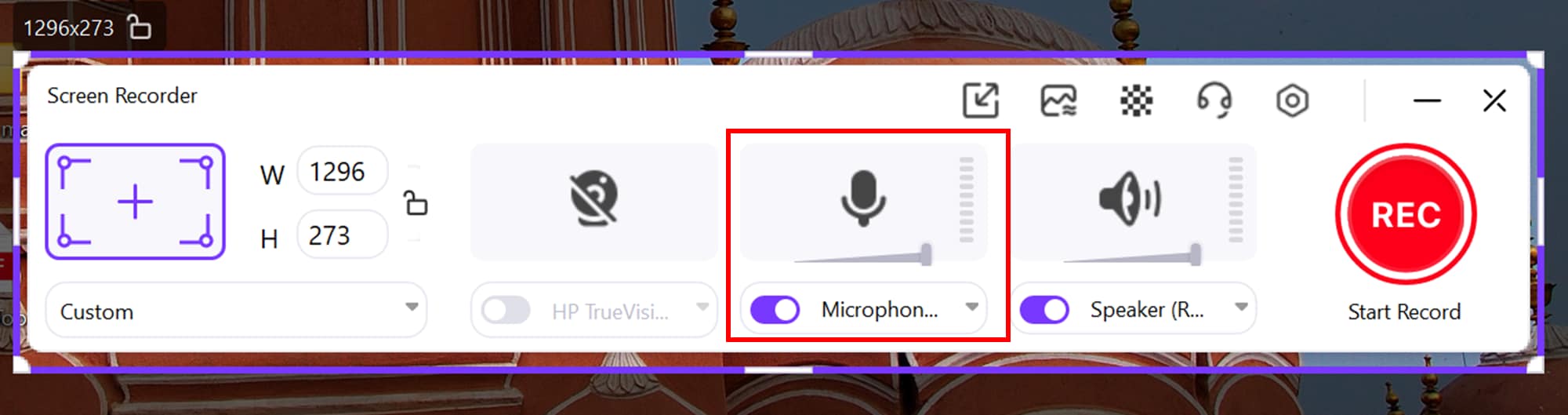
You can also select an audio source from the System Audio menu to capture sounds from your computer. To record without any system sound, simply click the Speaker icon above the System Audio section to mute all desktop audio during recording.
Step 4: Start, Stop & Save Your Recording
Click REC to begin recording after the countdown. Once finished, hit Stop to preview your video, make quick edits, and save it. You can also send the file directly to UniConverter’s editing or conversion tools.
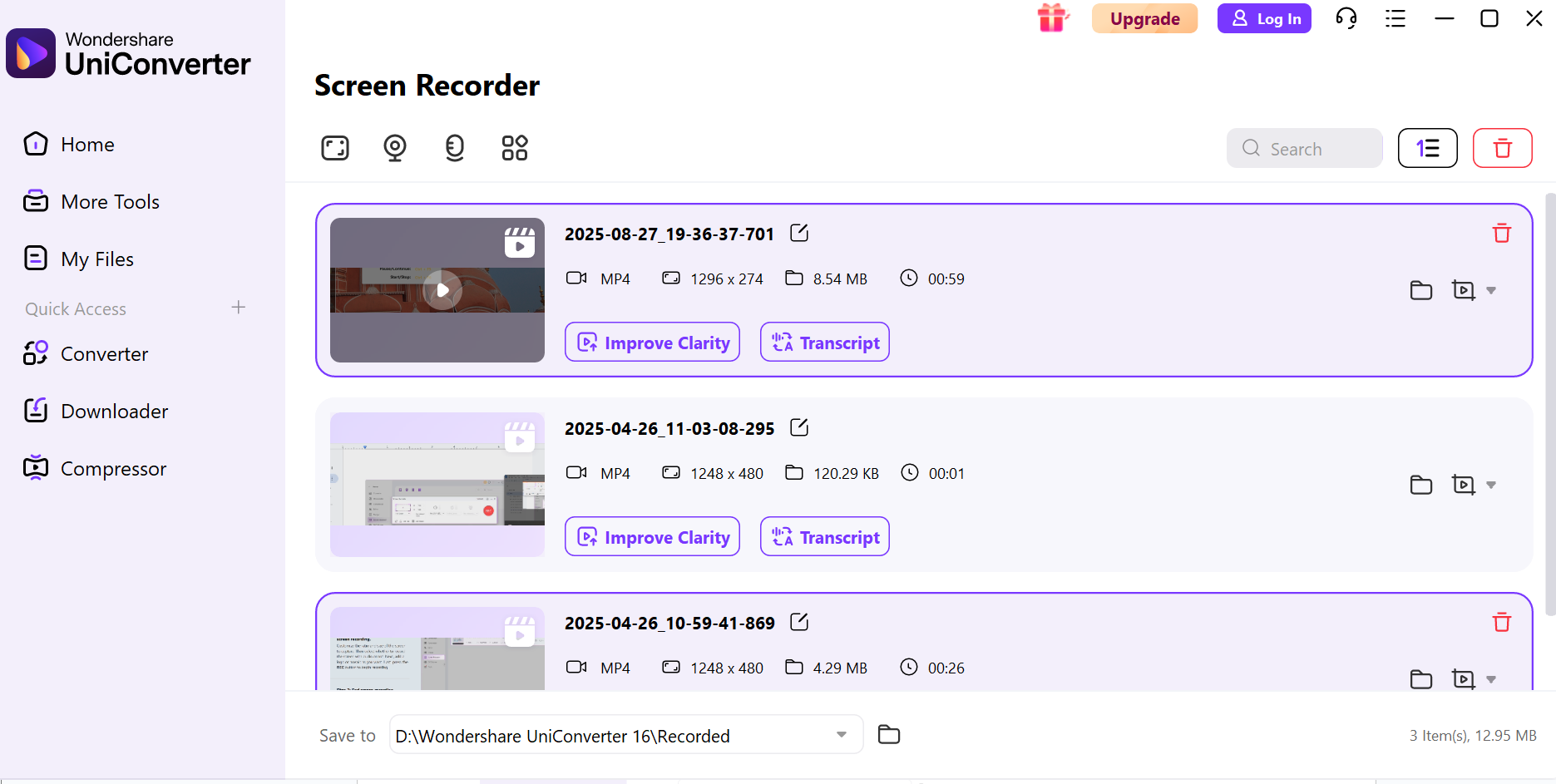
When you’re done, click the Stop button to end your recording session. The Screen Recorder will automatically close, and UniConverter will open a preview window where you can watch your recording, make quick edits, or save it to your desired location.

High-Quality Screen Recorder with Clear Audio
Final Thoughts
emory, blending a wild sci-fi premise with the studio’s trademark emotional ambition. The film leans into originality, pairing inventive world-building with themes of empathy, identity, and coexistence. Early footage suggests a careful balance of humor and heartfelt moments, supported by a distinctive directorial voice and a strong ensemble cast. Rather than relying on nostalgia, Hoppers aims to reconnect audiences with Pixar’s experimental spirit. Its success will hinge on how smoothly it ties big ideas to personal storytelling. If it lands, the film could signal a creative resurgence for Pixar.
FAQs
-
1. Was Hoppers always about beavers?
No. Early in development, director Daniel Chong explored different animal ensembles, including penguins. Beavers ultimately became the natural fit because of their association with engineering, construction, and dam-building, which aligned with the film’s themes. -
2. Who is the main human antagonist, and what’s his role?
Mayor Jerry Generazzo is the primary human antagonist. He is a smooth-talking local politician promoting a major development project that threatens the animals’ habitat, making him both a public-relations charmer and a serious environmental threat. -
3. Is Hoppers connected to Pixar’s SparkShorts program?
No. Hoppers is a full-length Pixar feature film, not part of the SparkShorts program. It may appear grouped with other Pixar projects in fan databases due to shared release timelines. -
4. What does “Hoppers” actually refer to in the movie?
In the film’s universe, “Hoppers” are human scientists who can transfer their consciousness into robotic animal bodies, allowing them to live among and study real animals from the inside. -
5. Are there any ’80s movies or TV influences in Hoppers?
Yes. Daniel Chong and producer Nicole Grindle have cited television storytelling and ’80s films as tonal influences, helping shape Hoppers into a Pixar movie with a less traditional structure and a distinct overall vibe.