

Have you ever wanted to create your own figurine but felt stuck due to high costs, lack of design skills, or complicated tools? Many enthusiasts face the same frustration—wanting something unique yet struggling to bring their ideas to life. AI figurine generation changes this by making the process simple, free, and accessible to anyone.
In this guide, you’ll discover the best free tools, templates, and prompts to design your figurines without hassle. You’ll also learn how to resize them perfectly for social media and explore their benefits and limitations in real-world use. Whether for fun, collection, or business, this guide gives you everything you need to get started.
In this article
Part 1: Why AI Figurines Became a Viral Trend
The popularity of AI miniature figurines isn’t just about technology—it’s rooted in culture, emotion, and the human need for self-expression. From personal avatars to animal-inspired models, these creations resonate with people worldwide because they blend digital identity with playful creativity. Let’s explore the cultural forces that turned AI figurines into a viral sensation:
Identity play
AI figurines allow users to design versions of themselves or alternate personas, reflecting how they want to be seen online. This sense of identity play makes figurines more than just collectibles—they become an extension of self-expression. They also empower people to experiment with styles and characters they may never try in real life. Ultimately, they serve as digital mirrors of personal imagination.
Social sharing
Platforms like Instagram, TikTok, and Pinterest have fueled the figurine craze. People love sharing their AI figurines as part of digital storytelling, sparking trends and viral challenges that spread globally within hours. The shareability factor has transformed these figurines into digital conversation starters. As a result, they quickly become part of online communities and fandoms.
Personalization
Unlike mass-produced figurines, AI-generated ones can be tailored with unique traits, colors, outfits, or even moods. Whether it’s a personal figurine or a playful animal model, the ability to customize every detail adds emotional value. This level of personalization makes each figurine feel truly one-of-a-kind. It also gives creators more ownership and pride in their digital collectibles.
Nostalgia factor
AI figurines tap into childhood memories of action figures, dolls, and collectibles. By merging advanced AI with a nostalgic pastime, they revive a sense of wonder while feeling modern and innovative. This nostalgia-driven innovation keeps them appealing to both younger and older audiences. In many ways, they reconnect generations through shared cultural experiences.
Part 2: Free Image Generators for Creating AI Figurines
Designing AI figurines is now more accessible than ever with free image generators that transform simple prompts into highly detailed outputs. Whether you want a personal digital twin, an animal-inspired figurine, or a collectible model, these tools make the process easier, faster, and budget-friendly. Let’s explore five popular AI miniature generators and see how each one can help you bring your imagination to life:
Roboneo
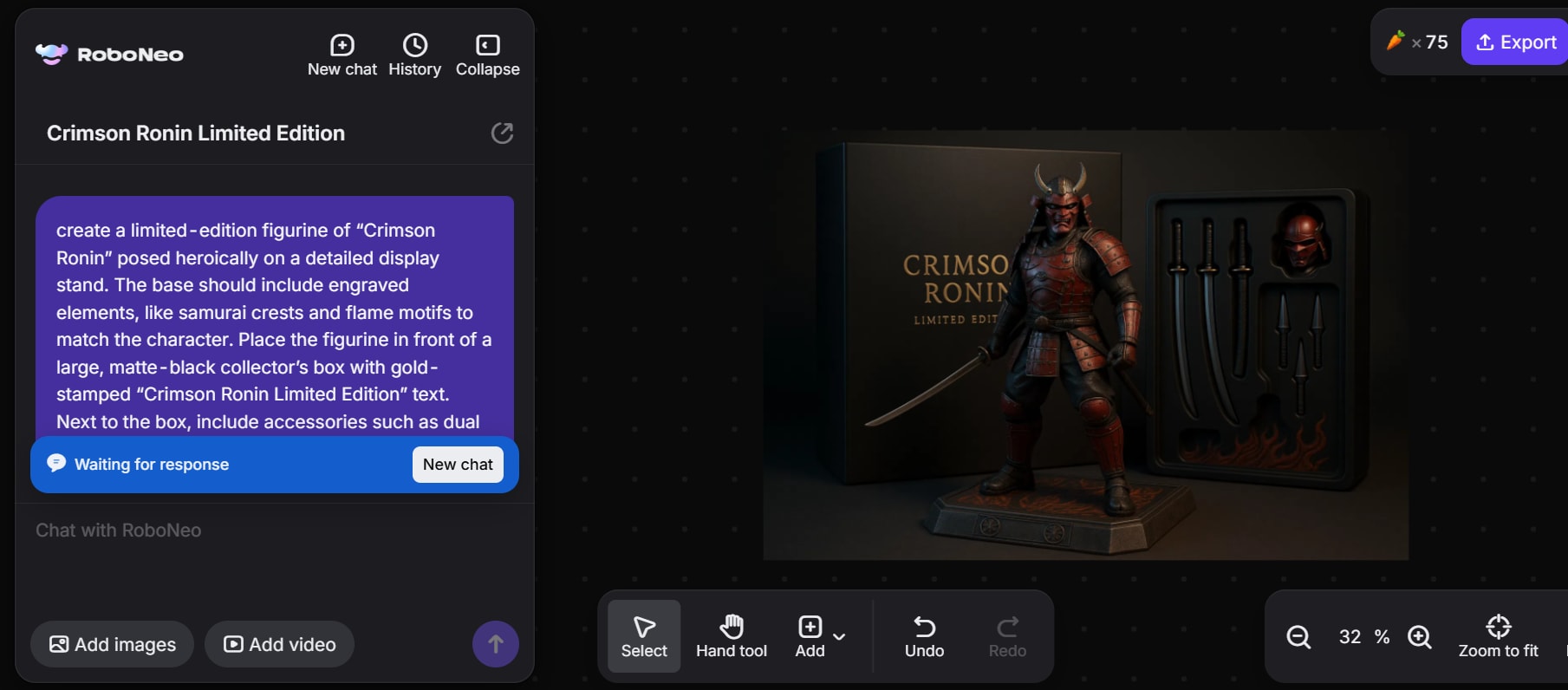
Roboneo is a specialized AI figurine generator that focuses on 3D-inspired and hyper-realistic outputs. It has become popular among hobbyists who want their figurines to look lifelike, with intricate textures and customizable details. The platform provides templates for both human and animal-based figurines, allowing creative flexibility. Roboneo also integrates with design workflows, making exporting and editing simple for professionals. Its interface is easy enough for beginners but powerful enough for advanced users. Overall, it strikes a balance between accessibility and high-end design potential.
Pros:
- Easy-to-use interface with clean navigation
- Strong focus on 3D-inspired, lifelike figurines
- Offers both human and animal figurine templates
- Customizable textures, colors, and styles
- Export-friendly with multiple format support
- Works for both casual users and professionals
Cons:
- Free trial has limited exports
- Advanced features locked under premium plan
Gemini 2.5 Flash Image
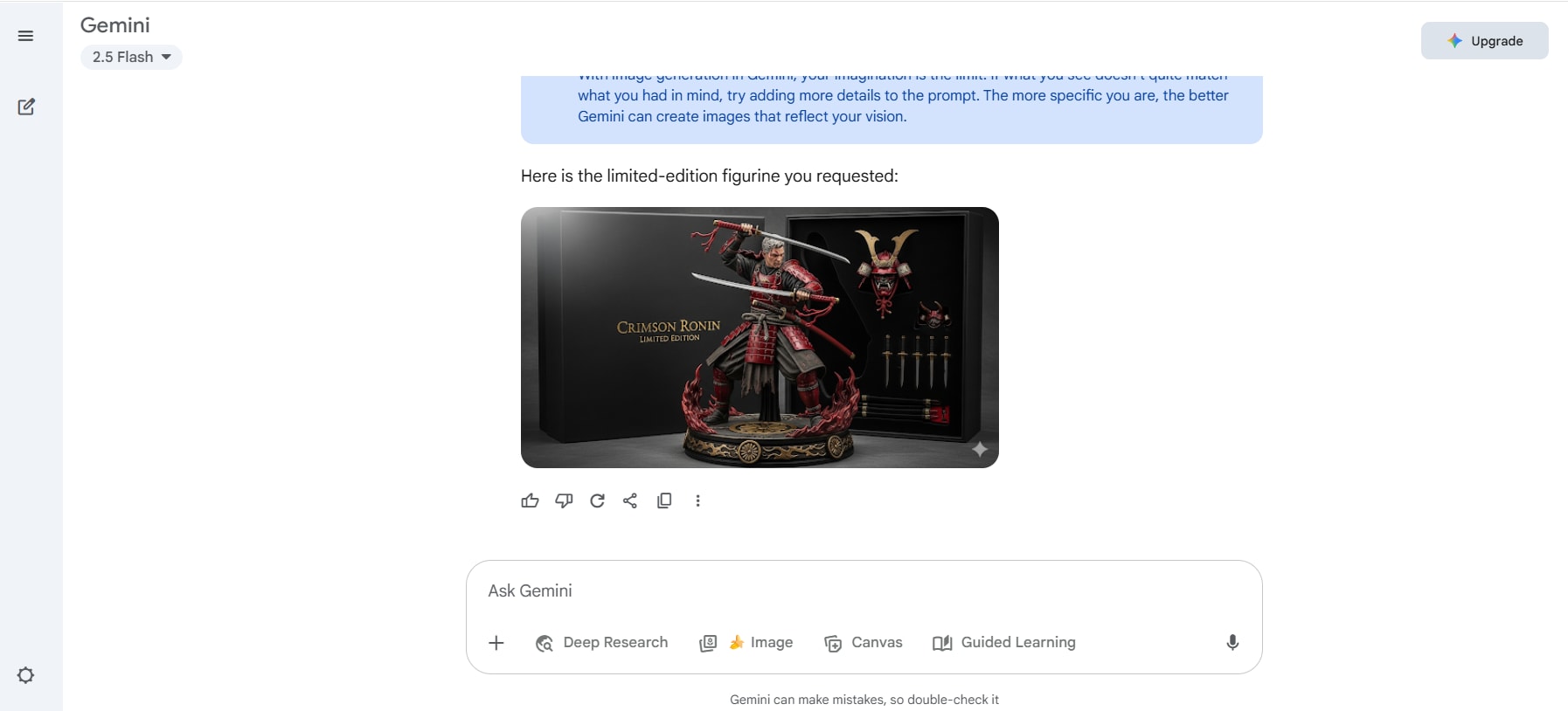
Gemini 2.5 Flash Image is a cutting-edge image generator built on multimodal AI, designed to handle figurine creation with speed and precision. It excels in producing clean, detailed results from simple text prompts, making it beginner-friendly. The tool also provides multiple style variations, so users can experiment with different aesthetics in one session. Gemini’s biggest strength lies in its quick rendering capabilities, delivering high-quality images in seconds. It also supports figurine design optimized for social media sharing. With its modern AI backbone, Gemini is a reliable choice for creators at any level.
Pros:
- Fast rendering with high-quality results
- Beginner-friendly, works well with simple prompts
- Supports multiple style variations per session
- Optimized outputs for social media platforms
- Strong multimodal AI backbone for accurate designs
- Consistently delivers clean and polished figurines
Cons:
- Free version restricts daily generations
- Premium unlocks are necessary for advanced outputs

Easy to Use AIGC Image Enhancer
FluxAI
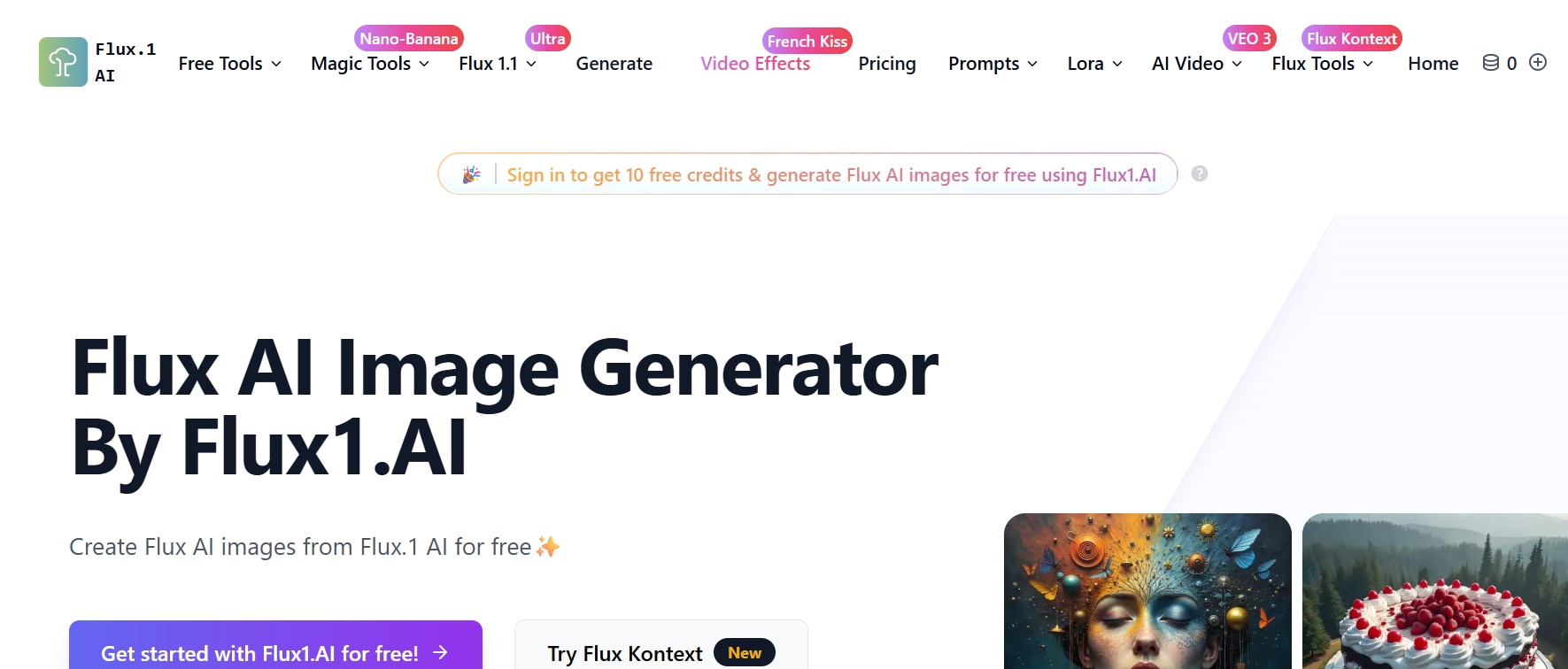
FluxAI is a versatile AI generator designed for creating stylized figurines with an artistic edge. It leans toward creative and experimental outputs, making it a favorite among digital artists and hobbyists who enjoy unique designs. FluxAI allows full customization, from poses and costumes to moods and accessories, so the generated 3D AI miniature feel personal and expressive. Its vibrant style variations give figurines a modern, almost animated feel. The platform is community-driven, with shared figurine designs that inspire new users. Overall, FluxAI is best suited for those who value artistry over strict realism.
Pros:
- Strong emphasis on stylized, creative outputs
- Customizable poses, moods, and accessories
- Large library of shared designs from the community
- User-friendly for experimenting with unique aesthetics
- Great for both personal and hobbyist use
- Supports animal figurine creation with fun styles
Cons:
- Not ideal for hyper-realistic figurines
- Free plan limits export resolutions
DeepAI.org
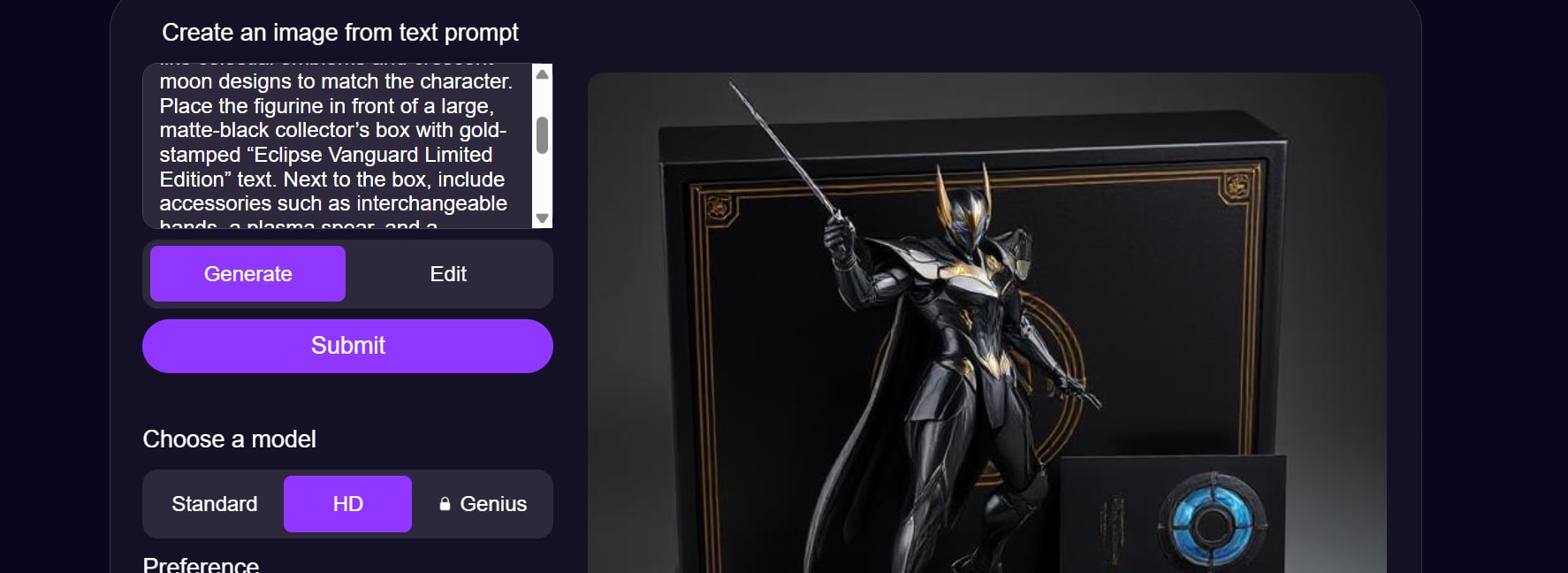
DeepAI.org is one of the most widely recognized AI platforms, offering a suite of creative and functional tools ranging from AI text generation to image creation. Known for its open-access API and developer-friendly ecosystem, it allows users to experiment with multiple AI models without needing heavy infrastructure. DeepAI.org’s image generator is particularly popular for quick and diverse visual outputs, supporting a broad spectrum of art styles, from sketches to hyper-realistic renderings. The platform is built to be lightweight, scalable, and flexible, making it ideal for both individual creators and businesses looking to integrate AI solutions. With a strong balance between accessibility and technical depth, DeepAI.org stands as a reliable hub for creative 3D AI miniature experimentation.
Pros:
- Free and open-access platform for testing AI models.
- Supports multiple AI tasks: text, image, and even video experiments.
- Offers an API for developers to integrate AI directly into apps or websites.
- Lightweight and doesn’t require complex setup.
- Wide variety of art styles and creative outputs.
- Frequent updates and additions of new AI models.
- Easy to use for both beginners and developers.
- Active community with open documentation for learning.
Cons:
- Free tier often has lower-resolution image results.
- Some models lack the advanced fine-tuning options seen in paid platforms.
Pixnova AI
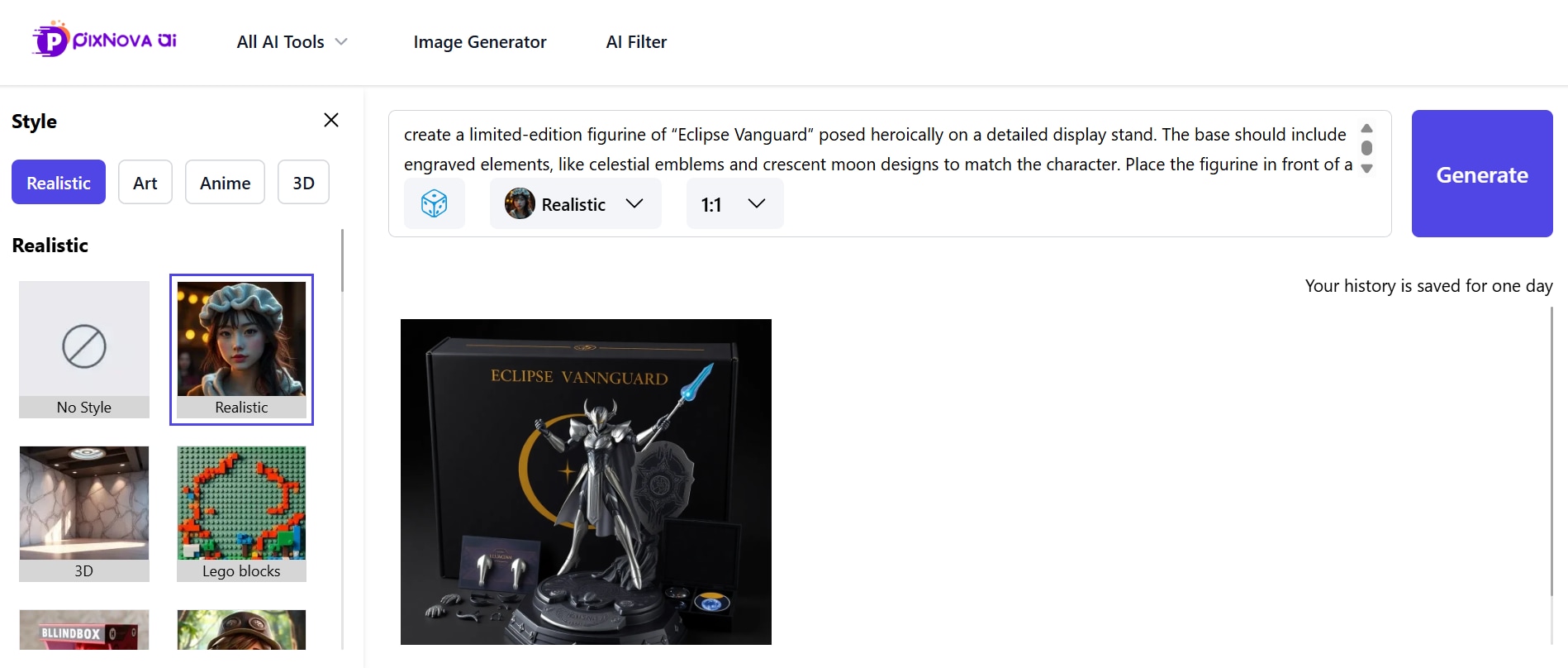
Pixnova AI is an advanced image-generation tool designed for creating high-quality figurines, collectibles, and stylized artwork with minimal effort. Its strength lies in its fine detail rendering, dynamic lighting, and realistic textures, making it a strong choice for both hobbyists and professional creators. Unlike generic AI art platforms, Pixnova AI specializes in customizable toy-like outputs that feel market-ready. With options for packaging mockups, 3D-style AI miniature figurine rendering, and pose control, it gives users a wide creative scope. Whether you’re building social-media content or planning a prototype for 3D printing, Pixnova AI streamlines the AI miniature generation process.
Pros:
- Highly detailed rendering with realistic textures and shadows.
- Specialized presets for figurines, collectibles, and toy packaging.
- Supports multiple art styles (anime, realistic, chibi, fantasy).
- Strong pose control for creating dynamic figurine stances.
- Good balance between speed and quality for quick outputs.
- Community-driven prompts library for inspiration.
- Easy export options for both web and print.
- Integration potential with 3D printing workflows.
Cons:
- Limited free trial; advanced features are behind paywall.
- Requires strong prompts for best results, otherwise outputs may lack consistency.
Comparison Table: Free AI Figurine Image Generators
| Tool | Free Trial Limitations | Highlighted Features | Best For |
| Roboneo | Limited exports | Hyper-realistic, 3D-like figurines | Realistic figurine enthusiasts |
| Gemini 2.5 | Restricted daily generations | Fast rendering, multiple style variations | Social media creators, beginners |
| FluxAI | Low export resolution | Artistic, stylized figurine customization | Hobbyists and digital artists |
| Bylo.ai | Basic templates only | Simple interface, quick results, easy exports | Casual users, first-time creators |
| Artbreeder Collage | Free plan limits high-res | Gene-editing system, deep customization | Advanced creators, personalization |
Part 3: Free Templates to Create Your Own AI Figurine
Designing AI figurines isn’t just about character creation—it’s also about how they’re showcased. From playful blister packs to premium collector’s editions, packaging and display styles add personality and realism to every figure. Below are ready-to-use prompt templates that help you generate professional, store-like figurine visuals with AI,You can replace specific parts based on you need in the promts:
Prompt Example 1:
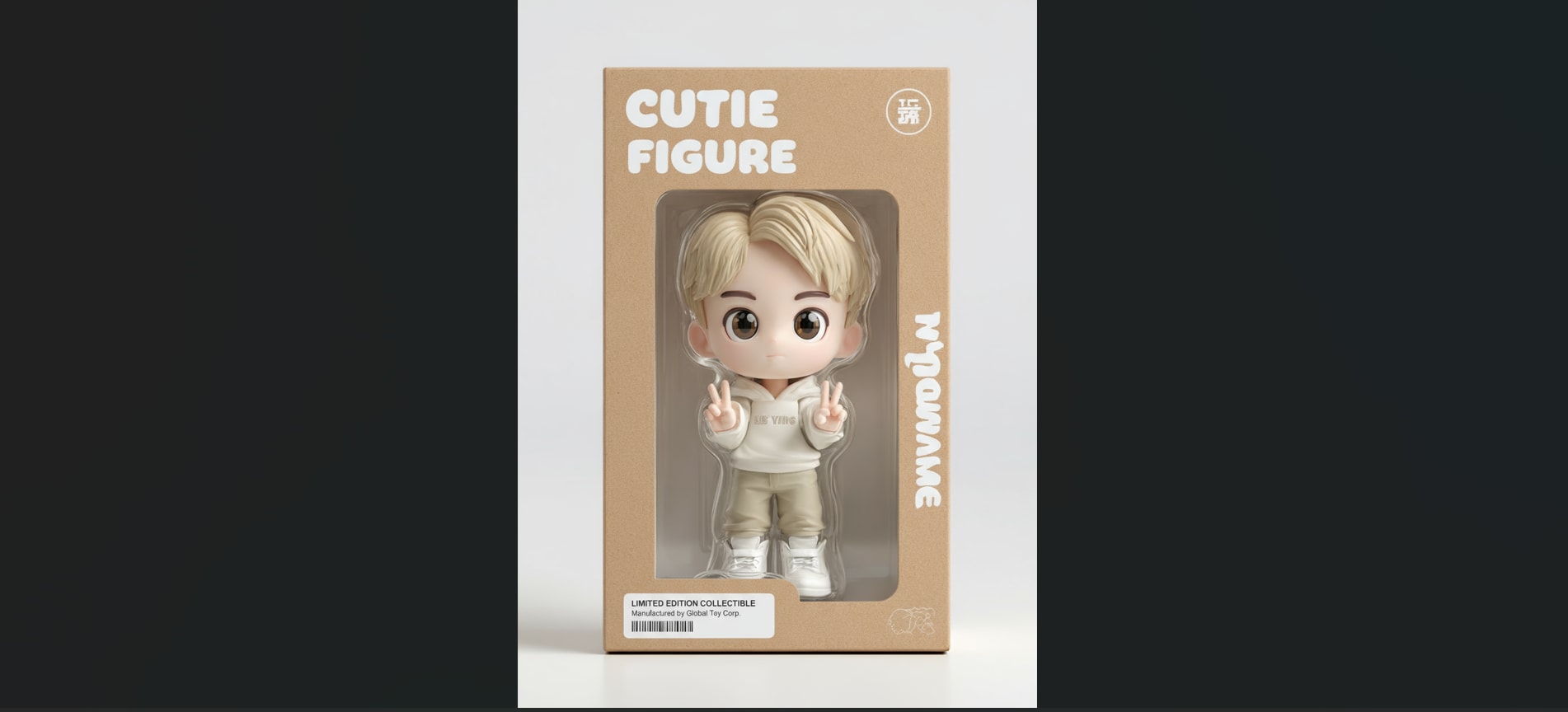
Make a real-life style picture of a 3D action figure toy named "[ Toy Name ]". Make it look like it's being displayed in a transparent plastic package, blister packaging model. The figure face and shape is as in the photo. On the top of the packaging there is a large writing: “[ Toy Name ]" in white text. Below it the realistic 3D figure toy style [ Toy Name ] standing with hands in finger heart gesture. The toy is dressed in [ clothes or appearance ]. Also add some supporting items for next to the figure, like [ items you want to add ]. The packaging design is minimalist, cardboard colour, cute toy style sold in stores. The style is cartoonish, cute but still neat, also put “[ Logo Name ]” logo in the top right corner of the package.
Prompt Example 2 :
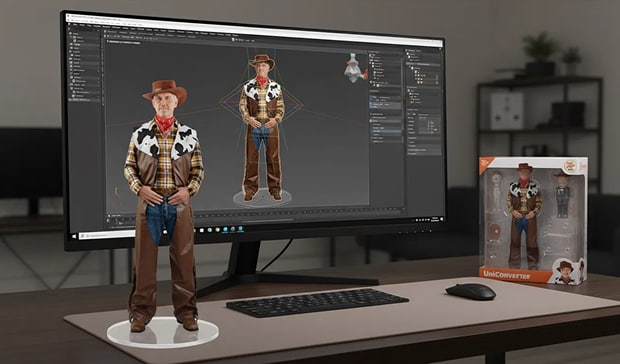
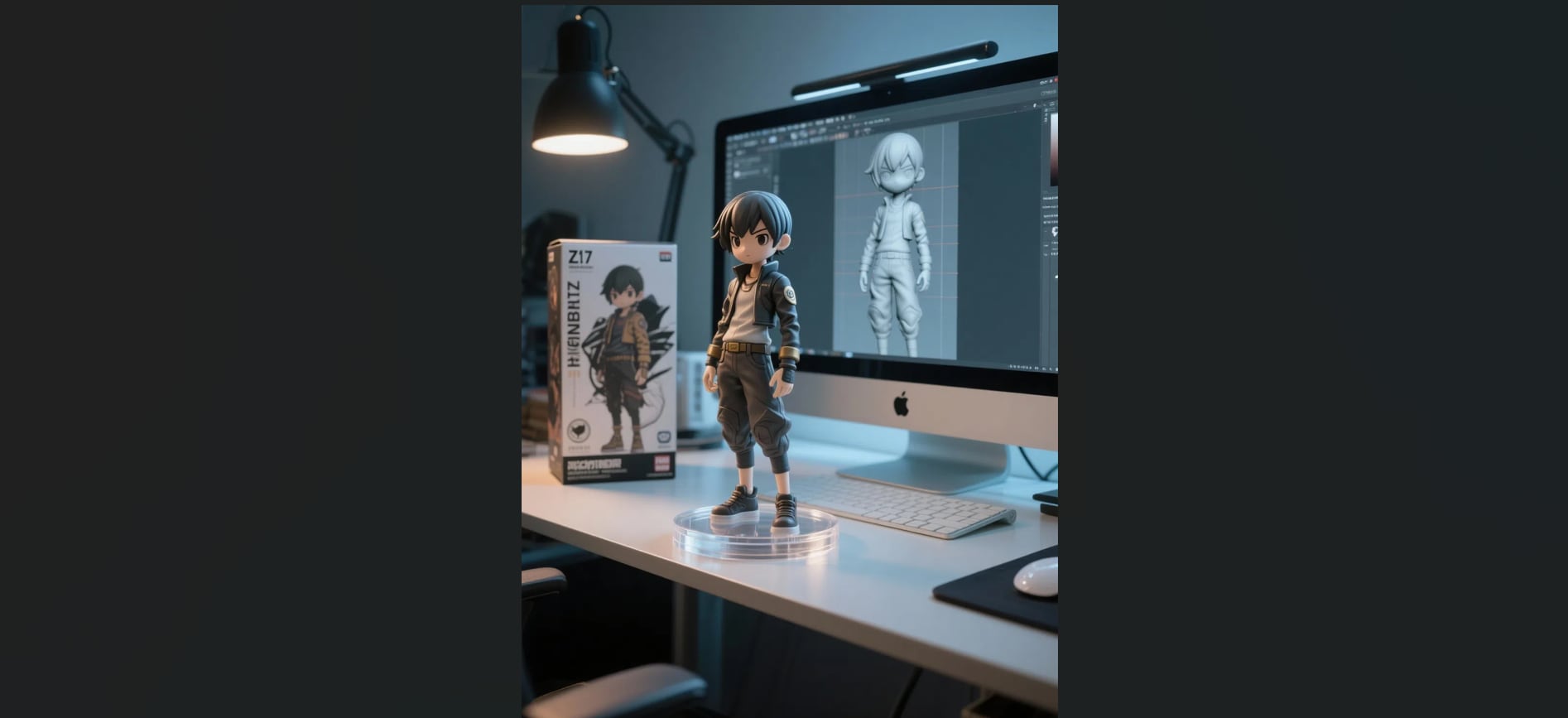
Use the [ AI Image Generator Model Name ] model to create a 1/7 scale commercialized fiqure of the character in the illustration,in a realistic style and environment. Place the figure on a computer desk, using a circular transparent acrylic base without any text. On the computer screen, display the ZBrush modeling process of the figure. Next to the computer screen, place a [ Logo ]-style toy packaging box printed with the original artwork.
Prompt Example 3:
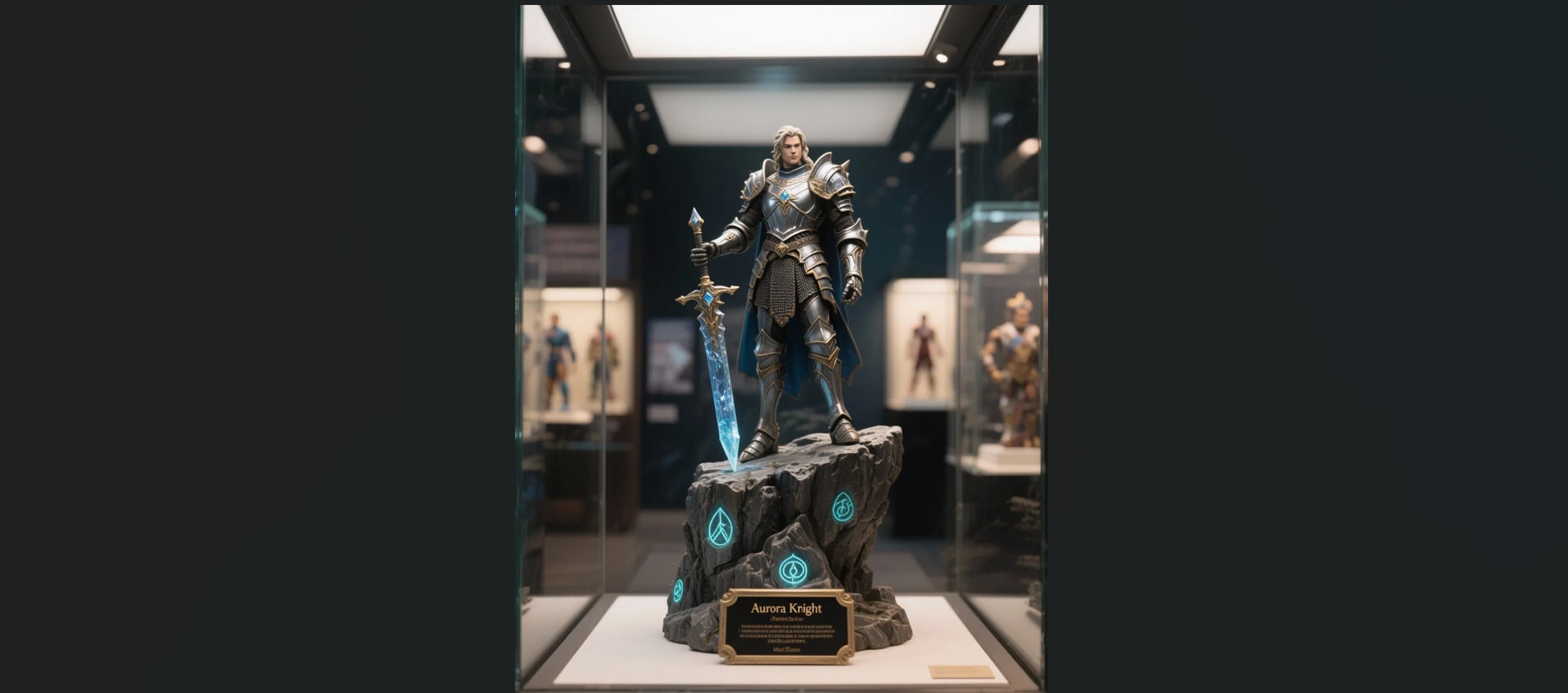
Create a realistic diorama-style picture of a collectible figurine named “Aurora Knight”. The figurine is displayed inside a glass showcase in a toy museum, with dramatic overhead lighting highlighting its metallic armor and crystal sword. The base is a rocky cliff platform with glowing runes, matching its fantasy warrior theme. Place a museum-style description plaque in front of the display with the name Aurora Knight. In the background, show other toy displays blurred out, giving the scene an authentic exhibition vibe. The style should look premium, cinematic, and like a real-life museum photography shot.
Prompt Example 4:
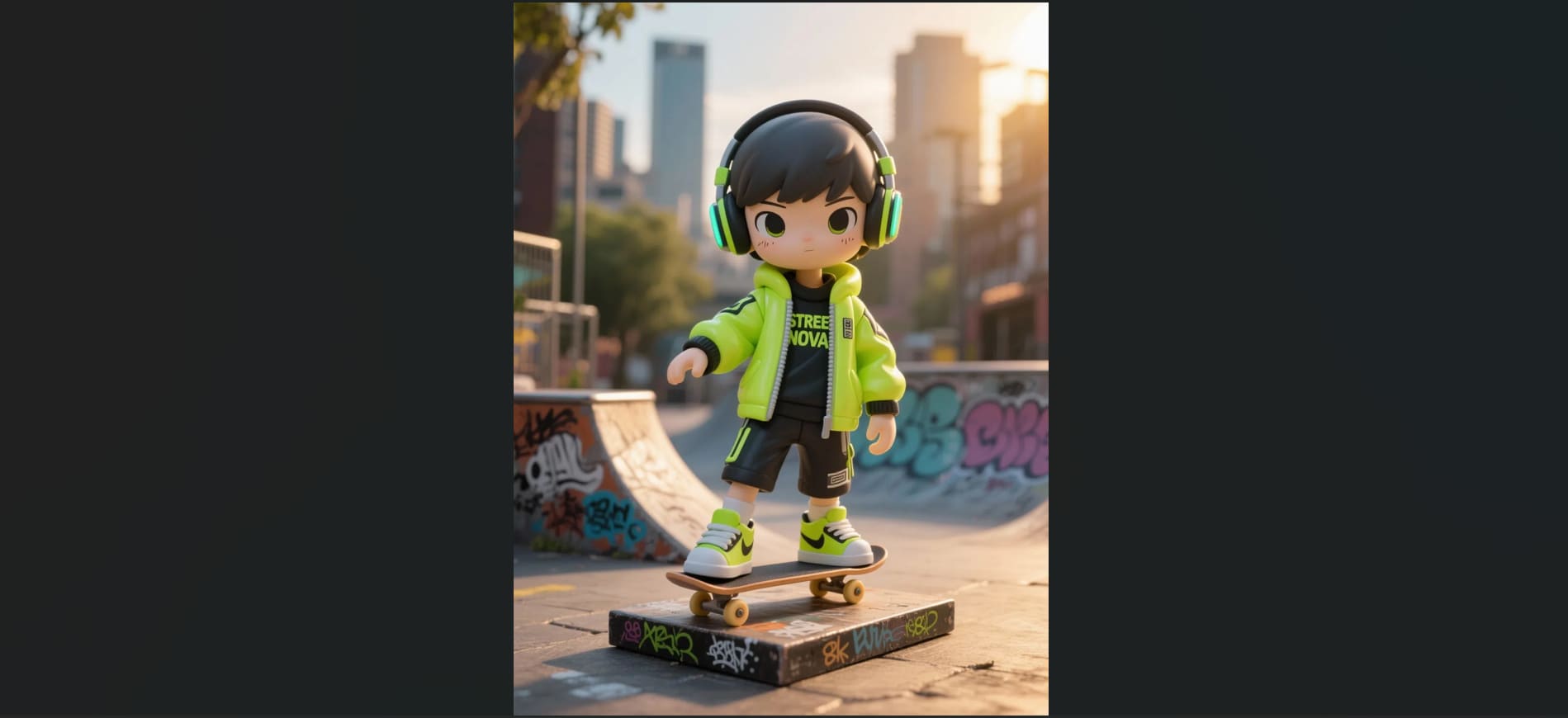
Make a real-life style picture of a 3D action figure toy named “Luna Spark”. Make it look like it’s being displayed in a transparent plastic package, blister packaging model. The figure has an expressive anime-inspired face with big eyes. On the top of the packaging there is a large writing: “Luna Spark” in white text. Below it, the realistic 3D figure toy style Luna Spark is standing with hands in a finger heart gesture. The toy is dressed in a celestial-themed magical girl outfit with glowing star accessories. Also add some supporting items next to the figure, like a wand, tiny moon companion, and crystal shards. The packaging design is minimalist with cardboard tones but highlighted with pastel sparkles. Also, put the “Starlight Works” logo in the top right corner of the package.
Part 4: How to Easily Batch Resize Your AI Figurine for Social Media
Resizing AI figurine images one by one can be time-consuming, especially if you plan to post across multiple platforms. Wondershare UniConverter makes this task effortless with its built-in Image Resizer inside the Image Editor. Whether you want square posts for Instagram, vertical formats for TikTok, or banners for YouTube, UniConverter helps you batch resize your figurines while keeping quality intact:
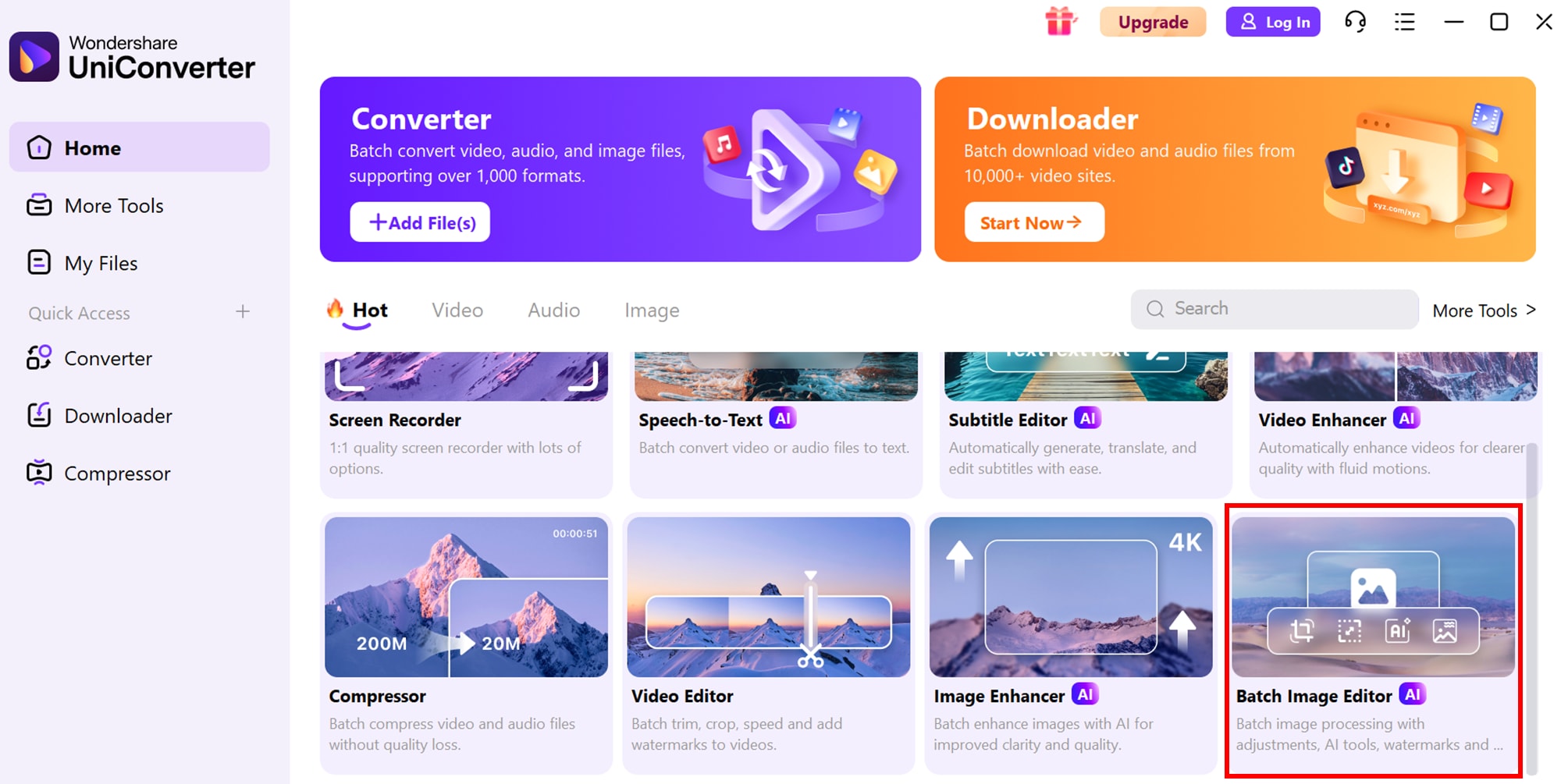
Step1: Download And Launch UniConverter
Download and launch UniConverter, find the "Batch Image Editor" section in the main interface of the product, click on it and upload the images or photos.
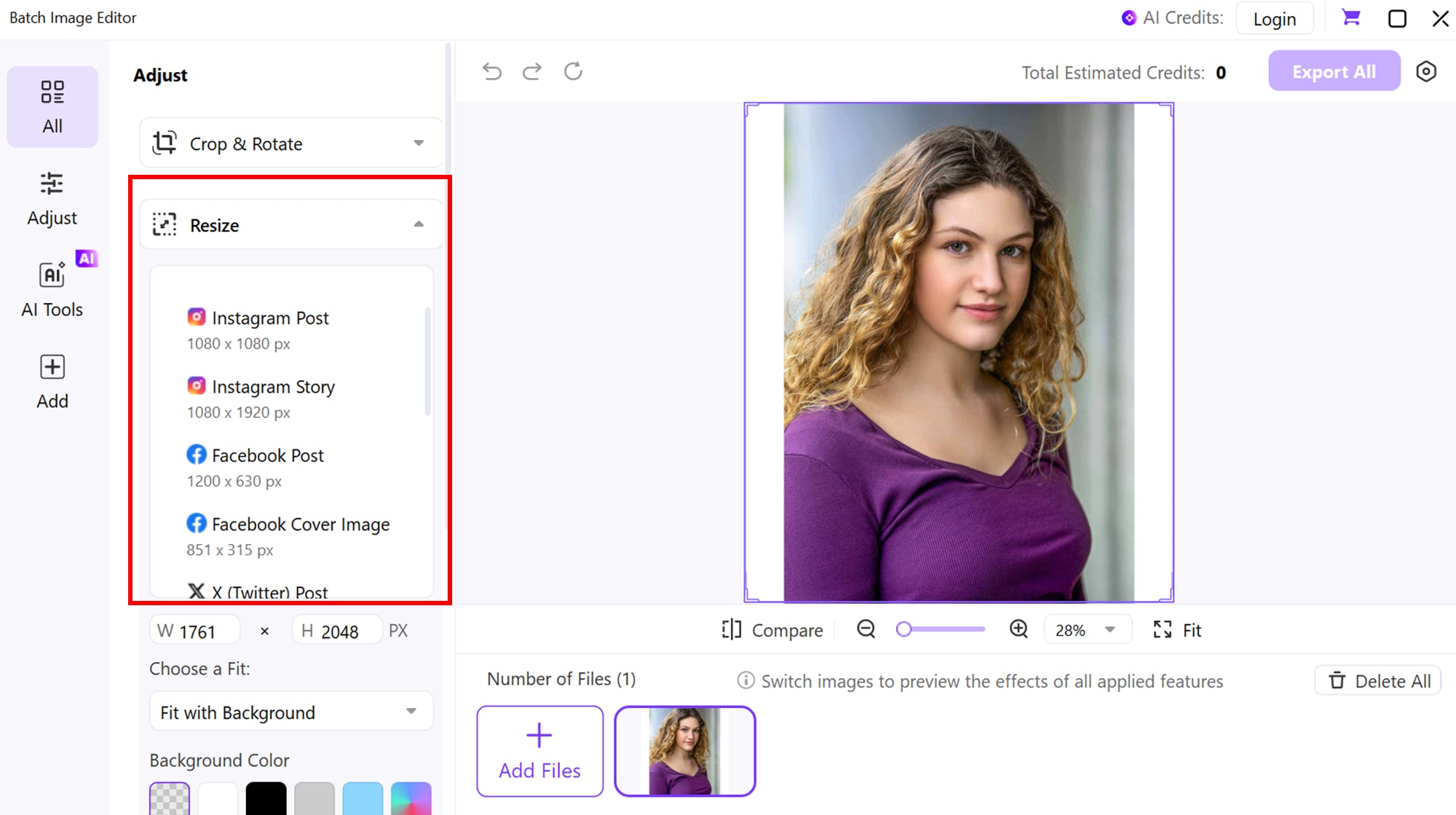
Step2: Select Image Size
Click on the “Resize” drop-down box on the left to select the preset image size of various platforms. If you need to customize the size can also be adjusted by entering the width and height values of the picture size.
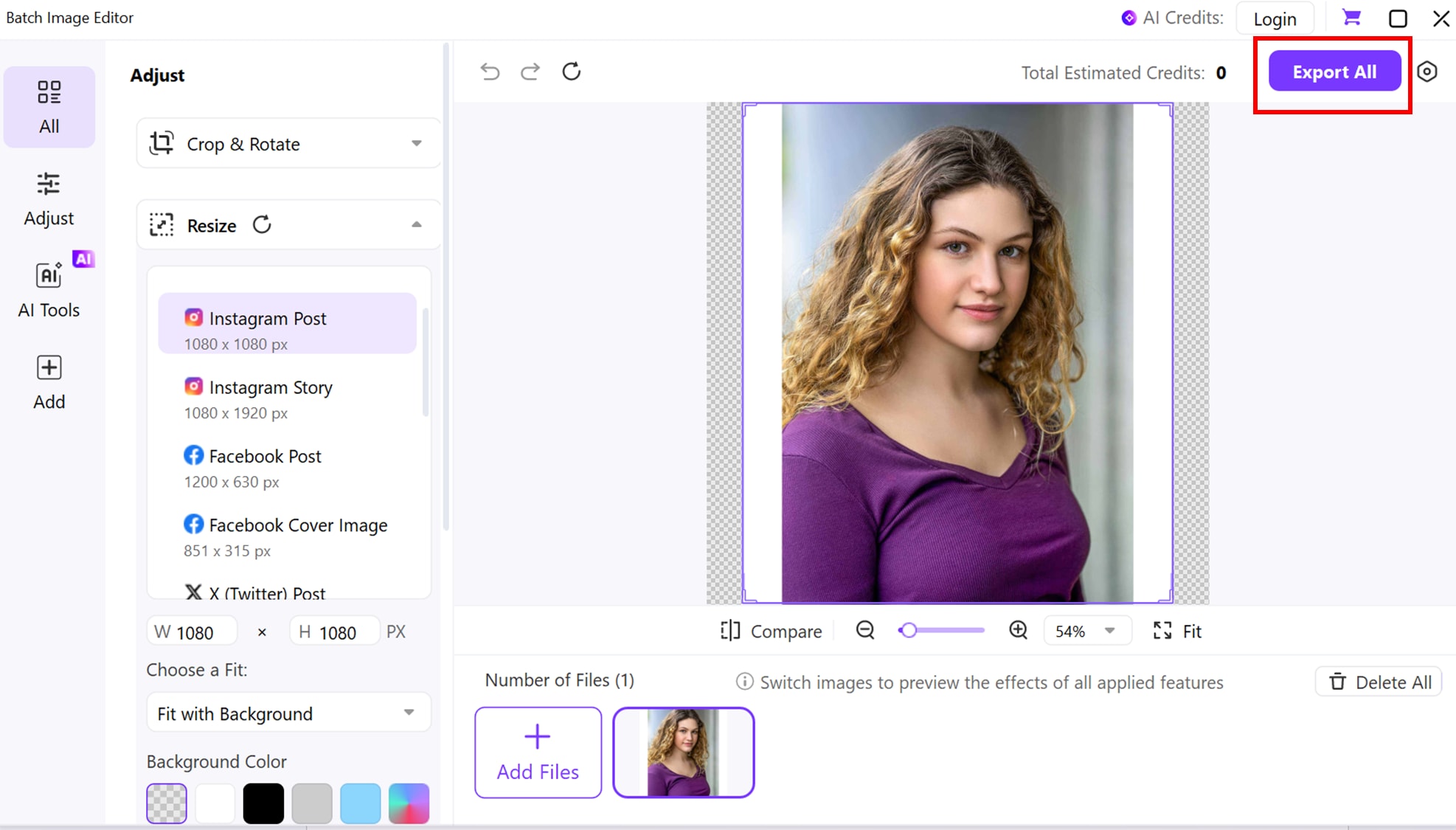
Step3: Export Your Final Image
After resizing the image, view the preview effect in the main interface. Click “Export All” in the upper right corner to export the image if it meets your needs.
Easy to Use AIGC Image Enhancer
Part 5: Benefits and Limitations of AI figurines in Real World Application
AI figurines are more than a digital novelty—they represent a cultural blend of technology, creativity, and personalization. It’s important to look closely at both the benefits and the limitations shaping their role in real-world scenarios:
Benefits
Personalization at scale
One of the strongest appeals of AI miniature figurines is their ability to make customization accessible to everyone. Users can turn themselves, their pets, or their favorite fictional characters into a unique collectible without hiring designers or sculptors. This democratizes creativity, putting professional-looking designs in the hands of everyday people.
Creativity & self-expression
AI figurines give users the freedom to explore multiple identities, aesthetics, or fantasy alter-egos in toy form. For many, this is not only nostalgic—reminding them of childhood collectibles—but also a playful form of self-discovery. People can design versions of themselves in superhero costumes, anime styles, or even mythical creature forms.
Social media appeal
In the digital-first era, visuals that grab attention are vital—and AI figurines are tailor-made for this. The toy-box style mockups or blister-pack visuals instantly stand out in crowded feeds, making them perfect for memes, personal branding, and viral campaigns. Marketers use them to spark conversations, while communities remix and share them for fun.
Potential for innovation
The technology behind AI figurines isn’t limited to digital art—it’s paving the way for physical and interactive applications. Some creators are already experimenting with 3D printing to bring their AI-generated designs into real toys. Others envision merging figurines with AR/VR environments or integrating them into gaming as playable avatars.
Limitations
Lack of physicality
For all their visual appeal, most AI miniature figurines remain digital mockups. Turning them into tangible toys requires additional processes like 3D modeling, sculpting, and manufacturing. This makes the transition from screen to shelf both costly and time-consuming. Without that extra step, they risk staying in the realm of digital novelty. Collectors who prefer physical items may find this a major limitation.
Quality & consistency issues
AI outputs are far from flawless, especially when generating figurines with complex details. Users often encounter distorted faces, awkward anatomy, or broken packaging text that looks unpolished. Results can vary dramatically depending on the generator, prompt skills, and randomness of the AI model.
Limited custom control
While AI figurine generators allow users to choose broad styles, colors, and effects, fine-tuned adjustments remain a challenge. For example, getting an exact pose, adding specific accessories, or replicating a perfect likeness of a real person can be frustrating. Advanced editing usually requires design knowledge or external software.
Copyright & ethical concerns
AI miniature figurines also raise important legal and ethical questions. Many users experiment by generating toy versions of movie, anime, or gaming characters—without owning the rights. This creates potential copyright infringement risks if designs are shared or commercialized.
Conclusion
AI figurines have grown from fun digital creations into a cultural trend, combining technology, creativity, and personalization. They let people design unique collectibles of themselves, pets, or characters while opening fresh opportunities in marketing, social media, and AR/VR. However, issues like lack of physical models, quality flaws, and copyright risks highlight ongoing challenges.
Ready to bring your figurine ideas to life? Start experimenting today and share your creations with the world—your next viral collectible is just a prompt away.
FAQ
-
1. Which AI tools are best for generating figurine packaging designs?
Several AI platforms specialize in figurine visuals and packaging mockups, such as Roboneo, FluxAI, and Bylo.ai. These tools offer customizable templates, styles, and 3D perspectives to create toy-box style designs. The choice depends on whether you want realism, cartoon aesthetics, or quick mockups. -
2. Can AI figurines be used for brand marketing?
Absolutely. Brands use AI figurines to create collectible-style visuals for product launches, campaigns, and social media storytelling. These visuals are eye-catching, nostalgic, and perfect for building engagement in digital communities. -
3. How do AI figurines connect with gaming and AR/VR?
AI figurines can be designed as digital avatars or collectibles that extend into interactive platforms. With AR/VR or gaming integration, these figurines could become playable characters or augmented toys, enhancing immersive experiences for fans and players. -
4. What tools can help optimize AI figurine files for professional use?
AI-generated figurine visuals often need resizing, format conversion, or compression for different platforms. Wondershare UniConverter is an ideal tool for this, as it ensures your figurine images and videos remain high-quality while being optimized for social media, presentations, or e-commerce. -
5. Are AI figurines suitable for gift personalization?
Yes, AI figurines are increasingly used for custom gifts. People create unique toy-style versions of themselves, pets, or loved ones, which can be shared digitally or even 3D printed as a physical keepsake. This makes them a thoughtful and personalized gifting option.