UniConverter
UniConverter Online Free
Converter video, audio & image free
Free Try

Interview Transcription: Turn Any Interview into Editable Text

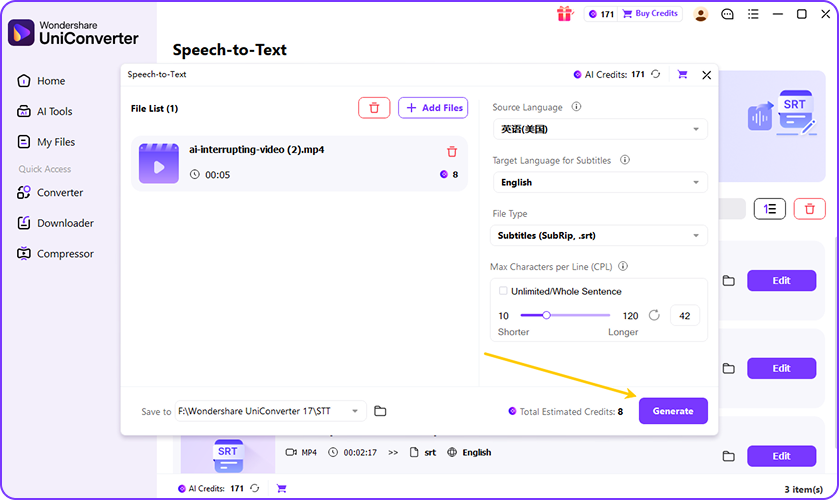
Transcribe interview audio and video to text in 20+ languages with AI. UniConverter helps you create an editable interview transcript with speaker labels, timestamps, and flexible export options. Use it online for quick tasks or download the desktop app for larger interview transcription workflows.

Built for interviews · Research recordings · Podcasts and meetings · Creator workflows

Why Choose UniConverter for Interview Transcription?

UniConverter is more than a simple interview transcription tool. It helps you move from raw interview recordings to editable text, subtitles, translations, and finished media files in one connected workflow.

All-in-One Interview Transcription Software for Media Workflows

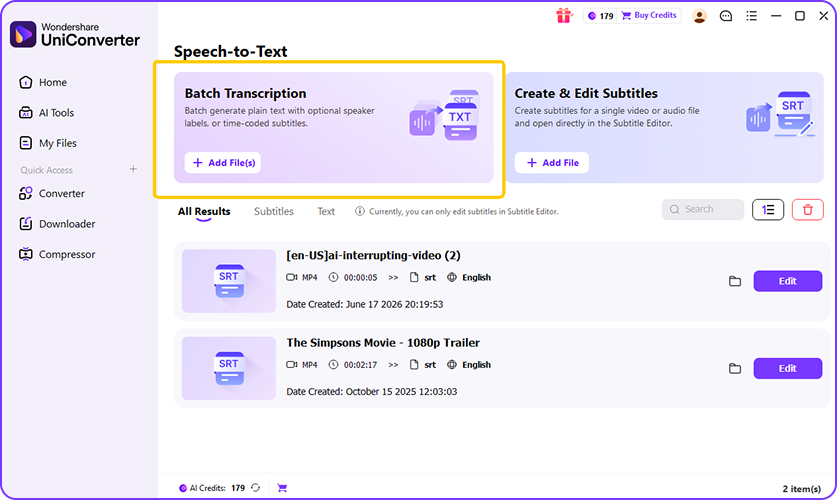
Many interview transcription tools stop after they create a text file. UniConverter gives you a wider all-in-one workflow: import an interview file, create an interview transcript with AI, refine the text, turn key sections into subtitles, translate content, and export the final file. It helps journalists, creators, and researchers move from raw recording to usable content in one place.

all in one interview transcription workflow

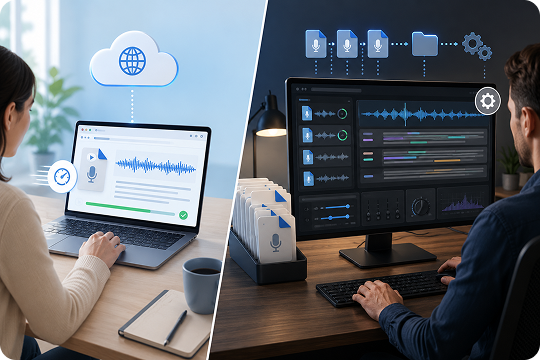
Desktop and Online Interview Transcribe Workflow

You can choose the interview transcribe workflow that fits your task. Use UniConverter Online when you need fast browser-based transcription without installation. Use UniConverter Desktop when you handle long recordings, batch files, or private projects. This desktop and online setup gives you more control than tools that only support one working style.

desktop and online interview transcription options

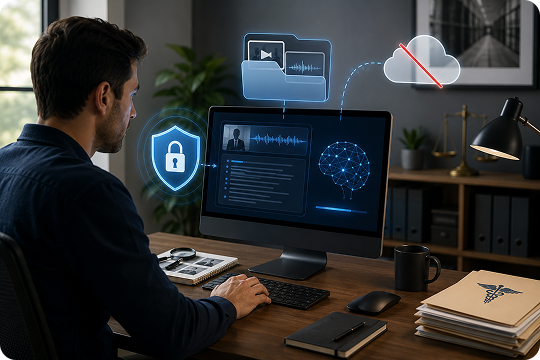
Local Processing for Private Interview Transcript AI Tasks

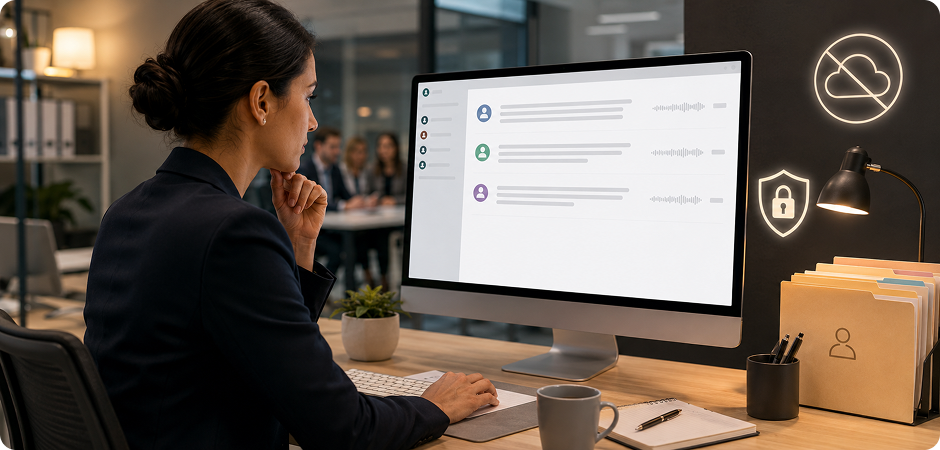
Some interview transcript AI projects include sensitive details, such as candidate feedback, legal notes, medical discussions, or investigative sources. UniConverter Desktop supports local processing, so you can work on interview files without uploading them to a cloud service. This offline option helps you protect data privacy and keep full control of your recordings.

private interview transcription with local processing
Desktop or Online

Interview Transcription — Desktop and Online, Your Choice

Different interview projects need different workflows. UniConverter gives you both desktop and online options, so you can choose the right path based on file size, privacy, editing needs, and speed.

Best for private projects

UniConverter Desktop for Large and Private Interview Projects

Choose UniConverter Desktop when you need deeper editing, batch processing, offline work, or local data handling. It is a practical choice for researchers, HR teams, legal teams, journalists, and creators who work with long recordings or sensitive interview files.

  • Better for long interview recordings and repeat transcription tasks.
  • Supports batch processing for larger interview transcription workflows.
  • Useful for private files, offline work, and local data handling.
Best for quick tasks

UniConverter Online for Quick Free Interview Transcription

Choose UniConverter Online when you need free interview transcription for a short file or a fast browser-based task. It works well for quick previews, single recordings, and lightweight transcription needs. You can transcribe interview to text online without installing software.

  • No installation required for quick browser-based interview transcription.
  • Good for short recordings, quick previews, and single-file tasks.
  • Transcribe interview to text online for lightweight workflows.
i
Tip: Use UniConverter Online for quick free interview transcription and short recordings. Choose UniConverter Desktop when you need batch processing, offline work, deeper editing, or local control for sensitive interview files.

Interview Transcription for Every Workflow

UniConverter supports different interview workflows, from research and recruiting to journalism, podcasting, and video production. Instead of switching between separate interview transcription services, you can create, review, edit, and export your transcript in one workspace.

Journalists
Podcasters
UX Researchers
HR Teams
Academic Research
Content Creators
interview transcription for journalists
interview transcription for podcasters
interview transcription for ux research
interview transcription for hr teams
interview transcription for academic research
interview transcription for content creators

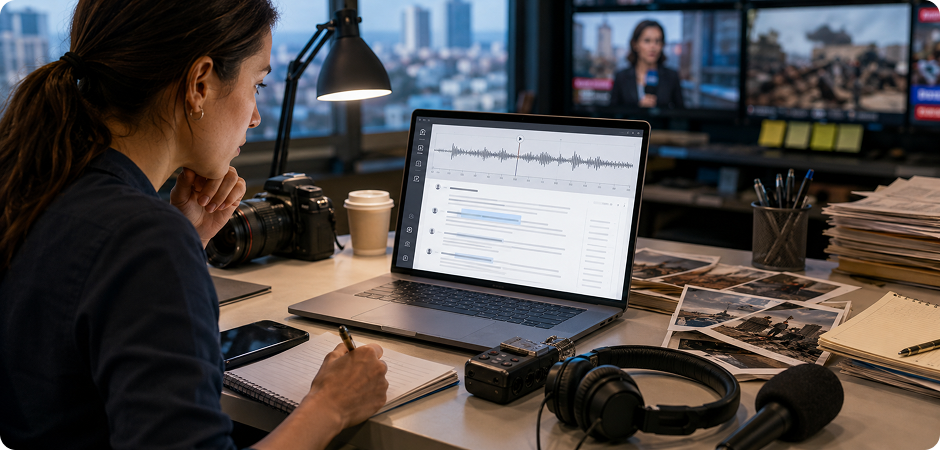
Interview Transcription for Journalists and Field Reporters

Journalists often need fast, reliable interview transcription after press calls, field recordings, or source interviews. UniConverter helps you turn audio and video into an editable interview transcript so you can find quotes quickly, check context, and prepare stories with less manual typing. You can review timestamps, clean unclear sections, and export text for fact-checking, article drafts, or newsroom collaboration. This workflow is useful when deadlines are tight and recordings come from different devices.

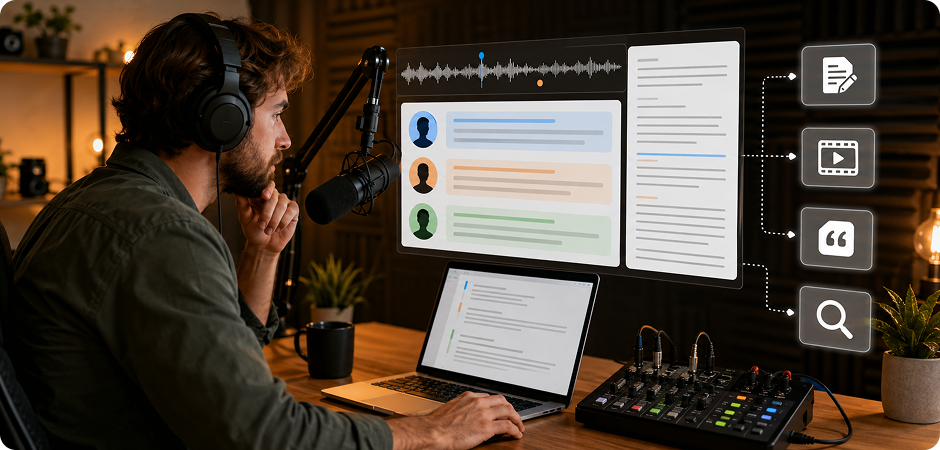
Interview Transcription for Podcasts, Show Notes, and Captions

Podcasters can use interview transcription to turn guest episodes into show notes, blog posts, SRT captions, and searchable content. UniConverter helps you transcribe interview audio to text, review speaker turns, and pull out highlight quotes for episode pages or social clips. Instead of writing notes from scratch, you can start with an editable transcript from interview recordings and shape it into listener-friendly content. This also supports accessibility when you publish video podcasts on YouTube or learning platforms.

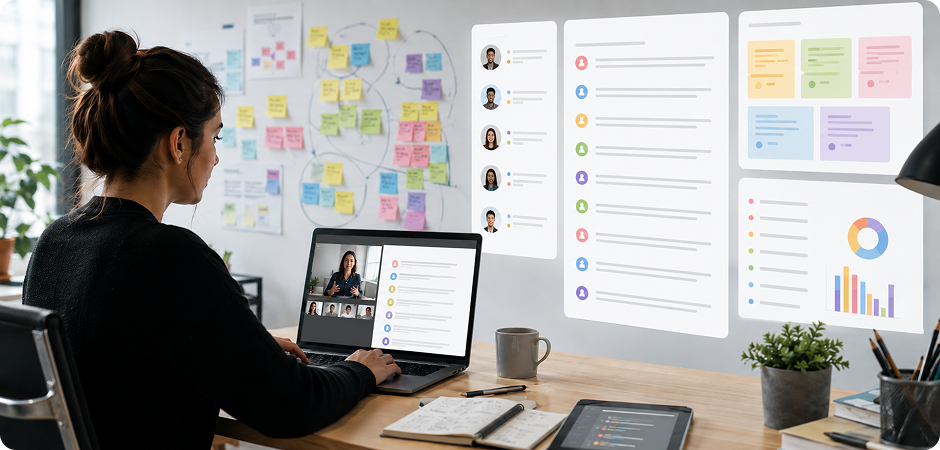
Interview Transcription for UX Research and Qualitative Coding

UX researchers and qualitative research teams often need clean transcripts for user interviews, coding, and thematic analysis. UniConverter helps you create interview transcripts with speaker labels and timestamps, making it easier to compare responses and locate important moments. You can review the transcript, mark recurring themes, and prepare research notes for analysis tools or reports. This workflow is useful when you run multiple interviews and need a structured text record for every participant session.

Private Interview Transcription for HR and Recruiting Teams

HR teams and recruiters can use interview transcription to document candidate conversations, hiring panels, and internal review discussions. UniConverter Desktop is especially useful when privacy matters, because local processing helps you keep sensitive interview files under your control. You can create a transcript from interview recordings, review speaker comments, and share key notes with hiring managers. This reduces manual note-taking and helps teams keep a clearer record of each interview stage.

Interview Transcription for Academic Research and Student Projects

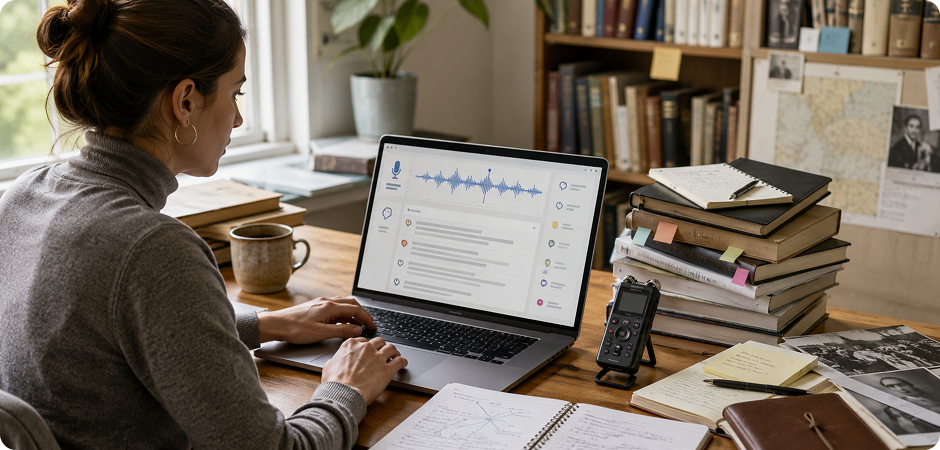
Students, professors, and academic researchers often need interview transcripts for citations, fieldwork notes, and qualitative coding. UniConverter helps convert research interviews into editable text with timestamps, so you can trace quotes back to the original recording. You can organize responses, prepare coding notes, and export files in formats that fit your writing or review process. This makes interview transcription easier for dissertations, class projects, oral history work, and research documentation.

Interview Transcription for YouTube Videos and Content Repurposing

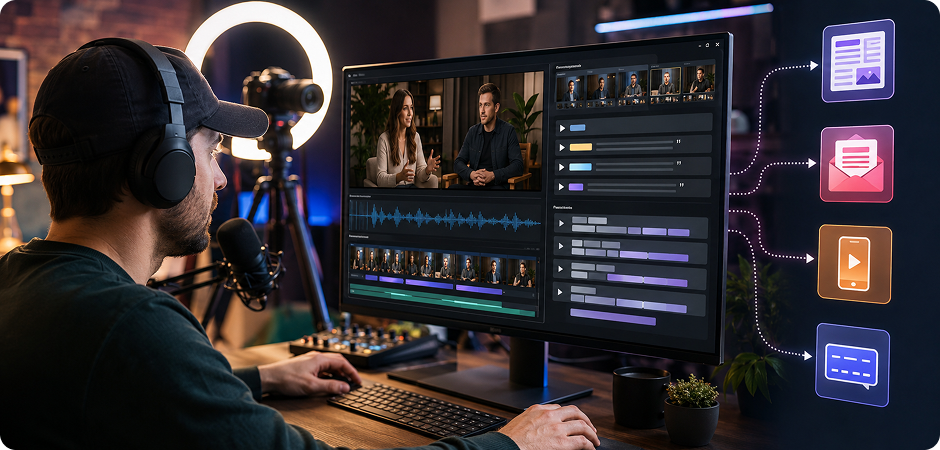
Content creators and YouTubers can use interview transcription to repurpose long videos into subtitles, articles, newsletters, and short social clips. UniConverter helps you turn interview videos into text, find strong quotes, and export SRT captions for publishing. You can also use the transcript to plan edits, write video descriptions, or create blog content from the same recording. This saves time when one interview needs to support several content formats.

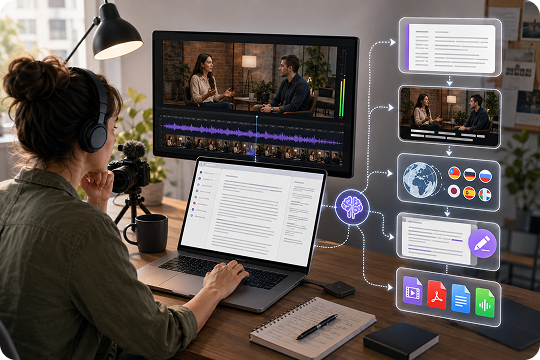
Interview Transcription Features You Need — In One Place

UniConverter gives you the core tools needed to create, review, and export interview transcripts. These features help you handle speaker-heavy recordings, long sessions, multilingual interviews, and different publishing formats.

01

Up to 98% AI Accuracy

UniConverter uses an AI-powered speech engine to help you create accurate interview transcription from clear audio and video recordings. It can recognize spoken content, reduce manual typing, and give you a strong first draft. You can then review the transcript and correct names, acronyms, or field-specific terms.

02

Speaker Identification

Speaker identification helps you follow interviews with hosts, guests, candidates, researchers, or panel members. UniConverter can label different speakers automatically, and you can edit speaker names during review. This makes the interview transcript easier to read, quote, search, and share with your team.

03

Precise Timestamps

Timestamps help you connect each transcript section to the original recording. UniConverter can add time markers in MM or HH:MM format, depending on file length. You can use timestamps to check quotes, jump to key moments, prepare captions, or organize research notes more efficiently.

04

20+ Languages

UniConverter supports interview transcription in 20+ languages, making it useful for international teams, global creators, and multilingual research projects. You can transcribe interviews in major spoken languages and prepare text for review, translation, subtitles, or documentation. This helps you manage cross-language content in one workflow.

05

Broad Format Support

You can upload common interview audio and video formats, including MP3, MP4, WAV, M4A, and MOV. UniConverter also supports recordings from meeting platforms such as Zoom and Google Meet. This flexibility helps you transcribe files from phones, cameras, recorders, calls, and online meetings.

06

TXT and SRT Export

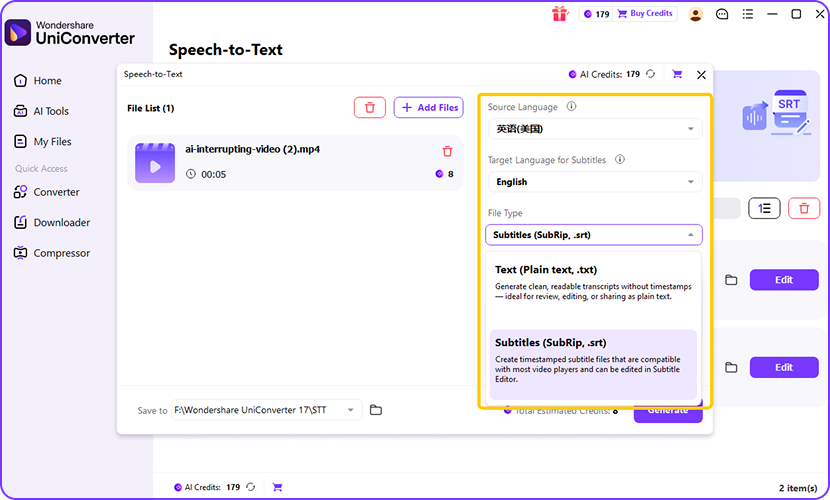
After editing your interview transcript, export it as TXT or SRT based on your next step. Use TXT for research notes, articles, reports, and documentation. Use SRT when you want to turn interview recordings into subtitles for videos, online courses, podcasts, or social clips.

“UniConverter helps me turn long press interviews into readable text without starting from a blank page. I can scan the transcript, check timestamps, and pull quotes faster when I am working on deadline-driven stories.”

— Maya Chen, Freelance Journalist

“I use interview transcription to create show notes and captions from guest episodes. UniConverter makes it easier to move from a recorded conversation to text I can edit, reuse, and publish.”

— Daniel Brooks, Podcast Producer

“For user interviews, speaker labels and timestamps are important. UniConverter gives me a structured transcript that I can review before moving insights into coding and thematic analysis.”

— Priya Raman, UX Researcher

“Our recruiting team needs a private way to document interview conversations. UniConverter Desktop helps us process recordings locally, which is useful when candidate information needs careful handling.”

— Ethan Miller, HR Manager

“I record research interviews for class projects and need clear transcripts for notes and citations. UniConverter helps me create editable text from interview audio, so I spend less time typing everything manually.”

— Sofia Martinez, Graduate Student

“Interview videos often become subtitles, blog ideas, and short clips. With UniConverter, I can turn the recording into a transcript first, then reuse the content across different publishing formats.”

— Lucas Bennett, YouTube Creator

Trusted by Interviewers, Researchers,
and Content Teams

★ ★ ★ ★ ★
Rated 4.8/5

Interview Transcription FAQs

01

How long does it take to transcribe a 1-hour interview?

The time depends on file length, audio quality, speaker count, and the workflow you choose. AI interview transcription is much faster than manual typing, but you should still review the transcript to correct names, technical terms, and unclear sections.
You can use UniConverter Online for free interview transcription tasks, especially when you have a short recording or need a quick browser-based workflow. Upload your interview file, let AI create the transcript, then review and export the result.
The best AI tool depends on your workflow. Look for accurate transcription, speaker identification, timestamps, export formats, privacy options, and support for both audio and video. UniConverter is helpful when you want interview transcription software with online and desktop options.
Yes. UniConverter supports speaker identification for multi-speaker interviews. It can help label different speakers automatically, and you can edit speaker names during review.
UniConverter supports common interview formats such as MP3, MP4, WAV, M4A, and MOV. You can also work with recordings from platforms such as Zoom and Google Meet, depending on your file export format.
UniConverter can provide high-accuracy AI transcription for clear recordings. Results may vary based on background noise, speaker accents, overlapping speech, microphone quality, and technical terms.
For sensitive interviews, UniConverter Desktop offers a local processing workflow that helps you keep files on your device. This is useful for HR, legal, medical, academic, and investigative interview projects where data privacy matters.
Yes. You can transcribe interview to text online for quick tasks, or use UniConverter Desktop for batch processing, offline work, deeper editing, and private files.
uniconverter logo

Start Transcribing Your Interviews Today

Turn interview recordings into clear, editable transcripts with UniConverter. Use the online tool for quick free interview transcription, or download the desktop app for larger files, private projects, and batch workflows.

No credit card required for online trial. Start with one file and choose the workflow that fits your interview project.